CC0 · no rights reserved
Roundel from a Curtain
From the collection of Cleveland Museum of Art. Free to download, adapt and use — no permission needed.
About this work
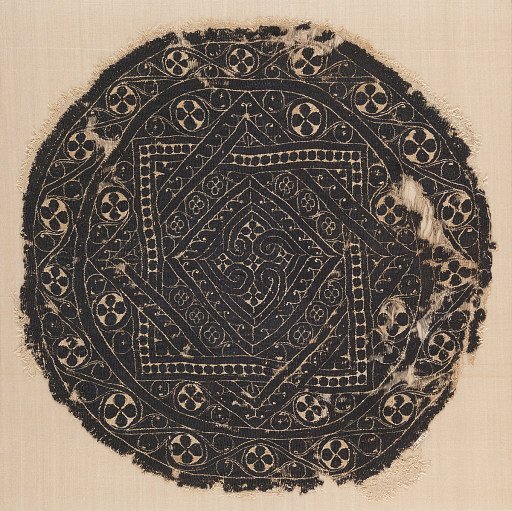
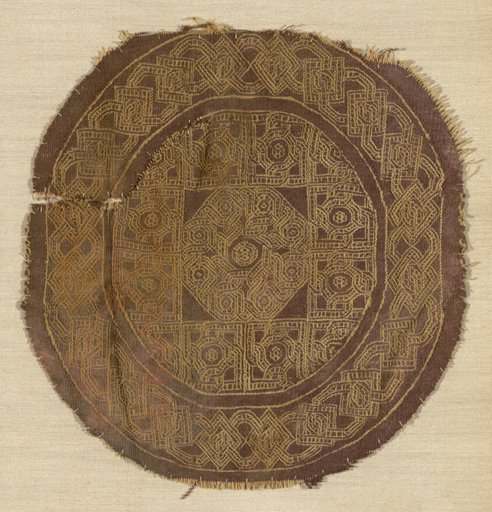
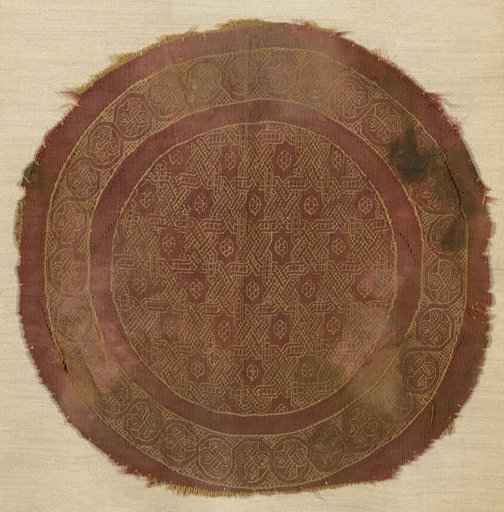
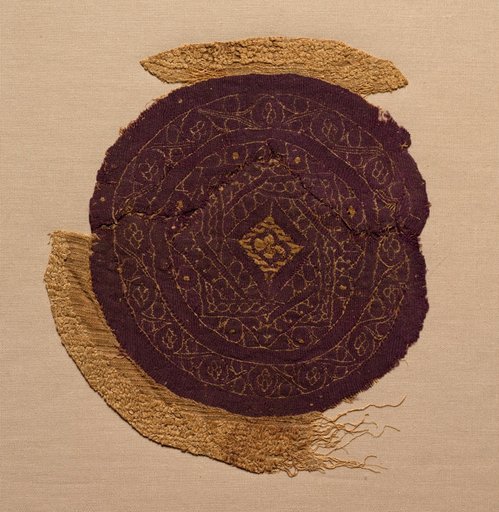
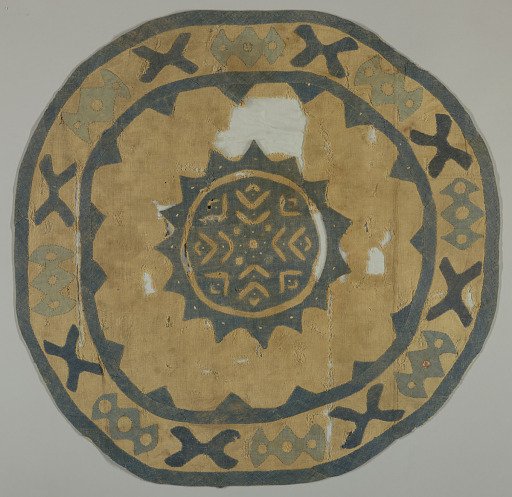
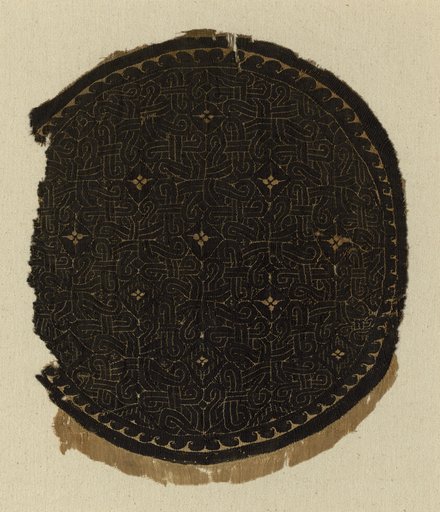
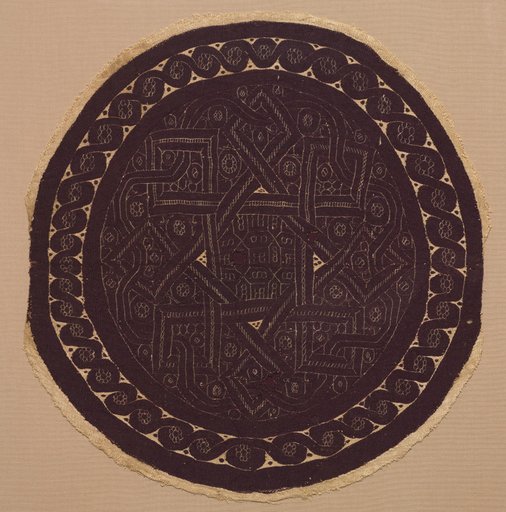
This circular element called a roundel that originally decorated a curtain displays a perfectly interlaced knot, a design believed to provide protection from harm. Curtains were often used as modular walls in houses, theaters, and Christian churches during the late Roman and early Christian periods.
Cleveland Museum of Art’s own descriptionCredit lineRoundel from a Curtain, 300s CE. Egypt, Byzantine period. Plain weave ground with tapestry weave and supplementary weft wrapping; undyed linen and dyed wool; overall: 45.2 x 47.7 cm (17 13/16 x 18 3/4 in.); mounted: 64.1 x 64.1 x 2.5 cm (25 1/4 x 25 1/4 x 1 in.). The Cleveland Museum of Art, Gift of Henry Hunt Clark, 1946.412