CC0 · no rights reserved
Crane
From the collection of Cleveland Museum of Art. Free to download, adapt and use — no permission needed.
About this work
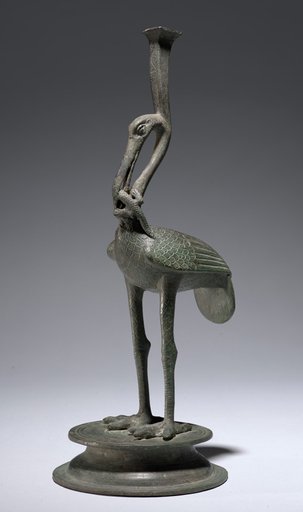
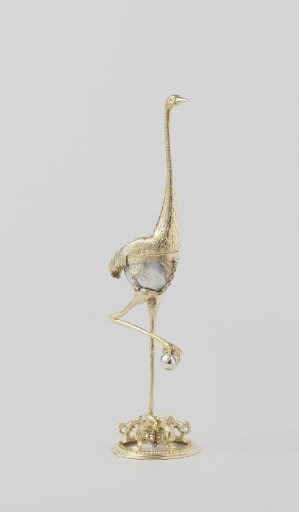
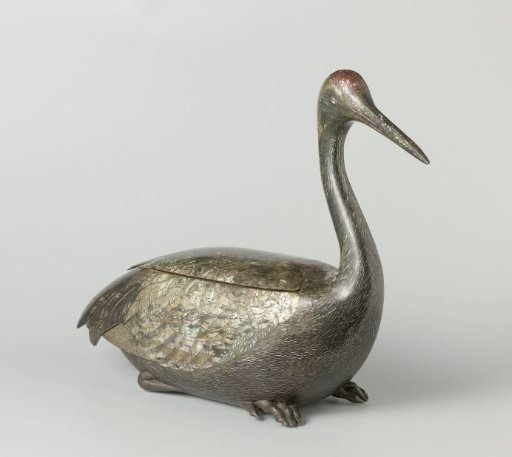
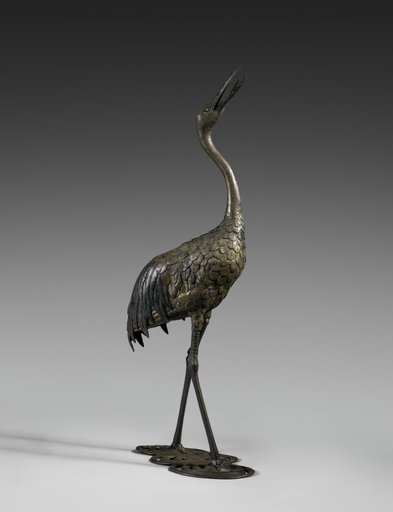
This crane stands in water swirling around its feet, suggesting that it may have been intended for an interior setting without real water. Cranes symbolize longevity in East Asia, where they are said to live a thousand years. Representations of cranes are found across the centuries in cast metal form in Japanese religious settings. They are depicted as surface motifs on sacred objects, such as ritual mirrors, or as crane-shaped ornaments or incense burners. In the modern era, metal animals were made as sculptural works of art or as decorative objects for gardens.
Cleveland Museum of Art’s own descriptionCredit lineCrane, early to mid-1900s. Japan, Taishō period (1912–26) to Shōwa period (1926–89). Bronze; overall: 96.6 cm (38 1/16 in.). The Cleveland Museum of Art, Bequest of Cornelia Blakemore Warner, 1947.573