CC0 · no rights reserved
Mask
From the collection of Cleveland Museum of Art. Free to download, adapt and use — no permission needed.
About this work
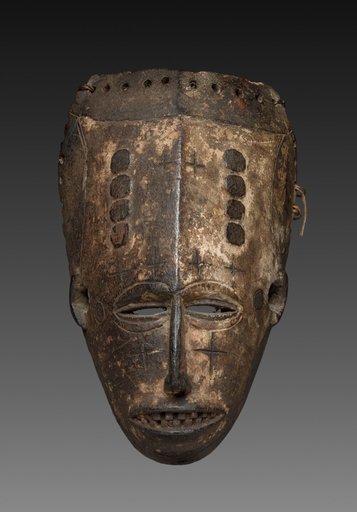
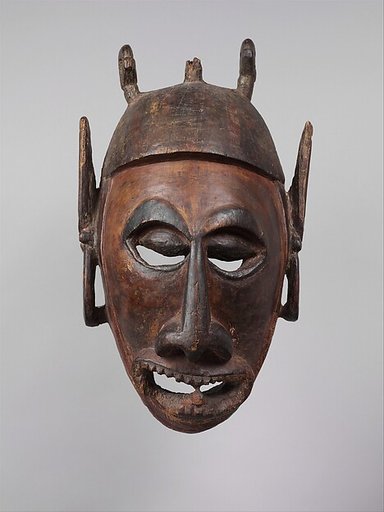
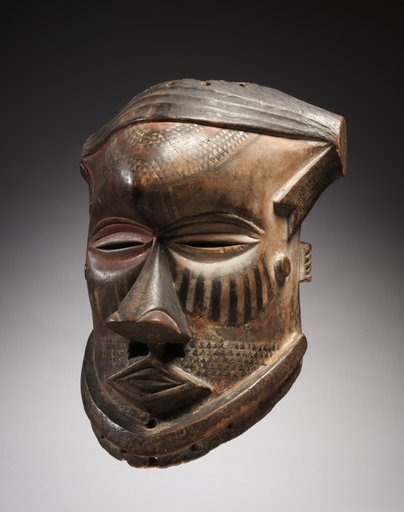
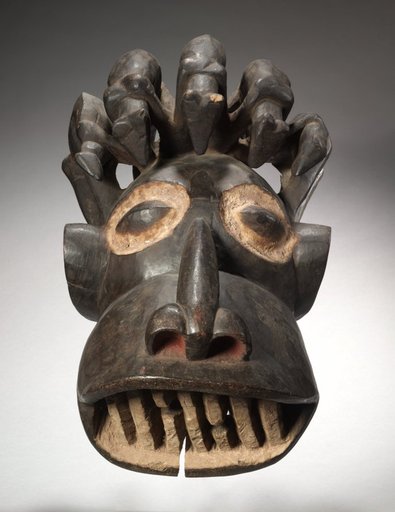
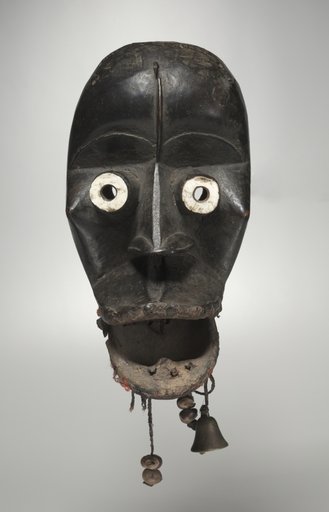
Generally, Mano masks are considered to be manifestations of forest spirits and can be grouped into 11 major types relating to aspects of social control, political and judicial matters, peacemaking, education, competition, and entertainment. This mask was acquired in Liberia by the medical missionary George Harley between 1933 and 1937.
Cleveland Museum of Art’s own descriptionCredit lineMask, early 1900s, before 1933–37. Africa, West Africa, Liberia, Mano-style carver. Wood, copper alloy, plant fiber, cloth, rawhide or leather, teeth, seeds, resin, synthetic material, iron, and glass beads; overall: 28 x 15.2 cm (11 x 6 in.). The Cleveland Museum of Art, The Harold T. Clark Educational Extension Fund, 1953.457