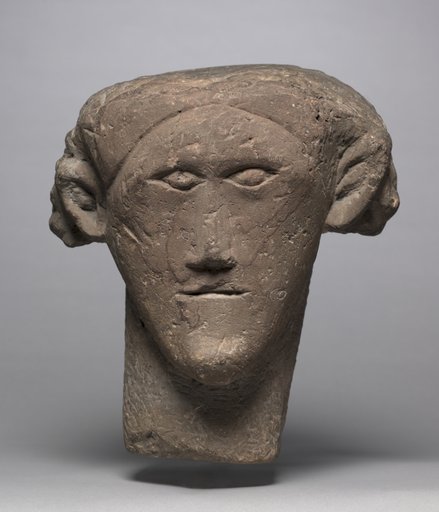
Celtic Head
From the collection of Cleveland Museum of Art. Free to download, adapt and use — no permission needed.
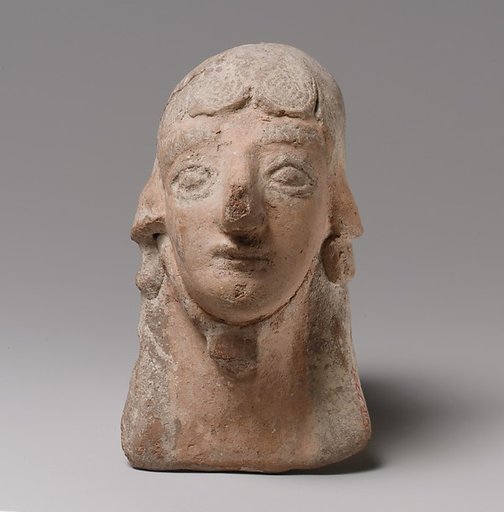
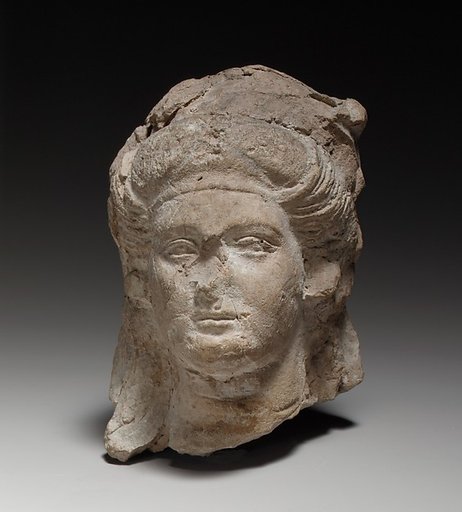
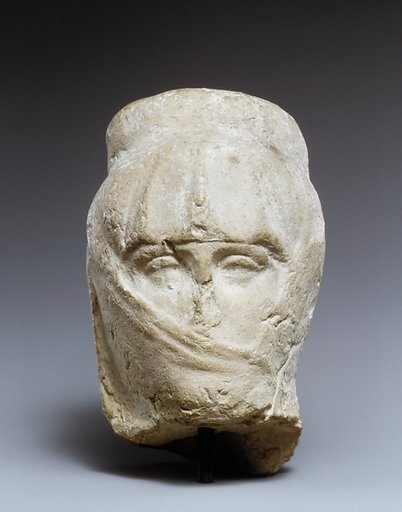
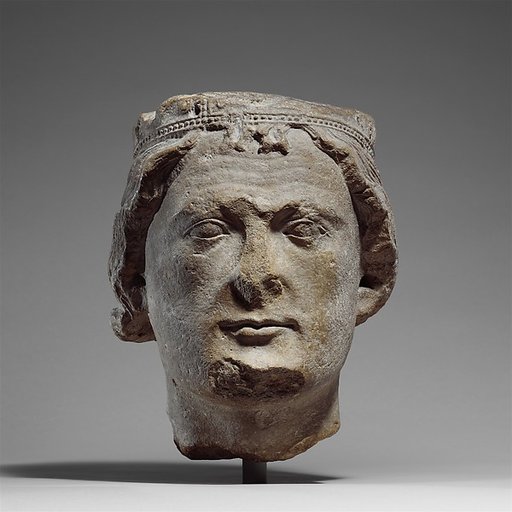
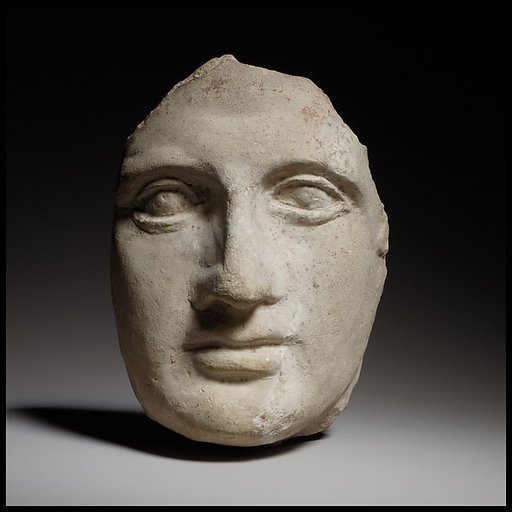
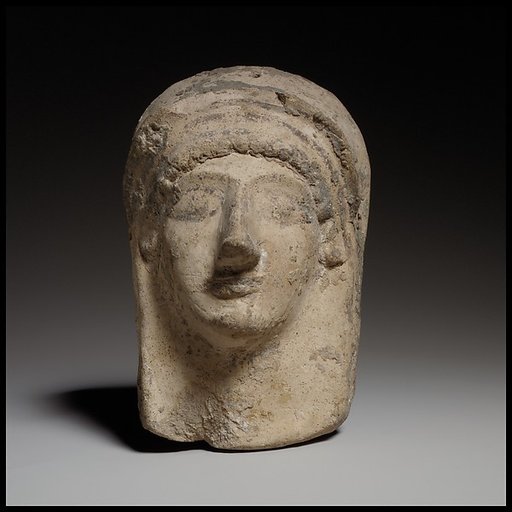
This stone head has never been attached to a torso. It is known from ancient literary sources that the Celts, who originally occupied most of northern Europe from Hungary to the British Isles, practiced ritualistic veneration of the human head. For the Celts, the human head represented the seat of mankind’s magical energy. Stone heads similar to this one have survived in large numbers, especially in the upland regions of northern England (the Pennines, the Peak District, and Cumbria) where this one was undoubtedly made by British Celts during the Roman occupation. Such stone heads were probably placed in religious shrines or grottos generally associated with springs, well heads, or natural landmarks for ritual veneration.
Cleveland Museum of Art’s own description