CC0 · no rights reserved
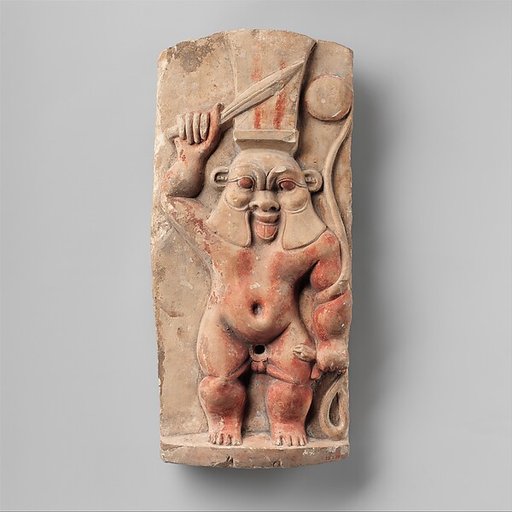
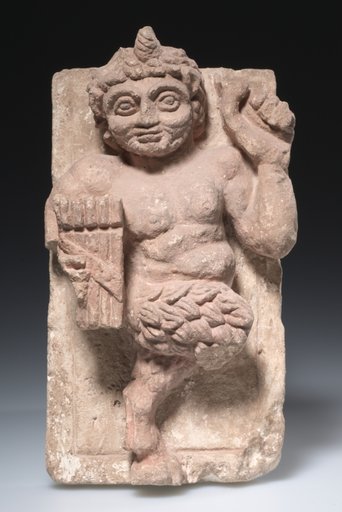
Dancing Pan
From the collection of Cleveland Museum of Art. Free to download, adapt and use — no permission needed.
About this work
This relief sculpture demonstrates the survival of a purely pagan subject in the context of a Christian building. Even after the conversion of native Egyptians to Christianity, mythological subjects were not unusual in their art. Pan was the Greek god of woods and fields, flocks and herds, known in art by his goat's legs and pointed ears. He invented the reed pipes with which he charmed the nature goddesses known as nymphs.
Cleveland Museum of Art’s own descriptionCredit lineDancing Pan, c. 350–500. Egypt, Coptic period. Limestone with traces of red polychromy; overall: 34 x 18.1 cm (13 3/8 x 7 1/8 in.). The Cleveland Museum of Art, John L. Severance Fund, 1955.68