CC0 · no rights reserved
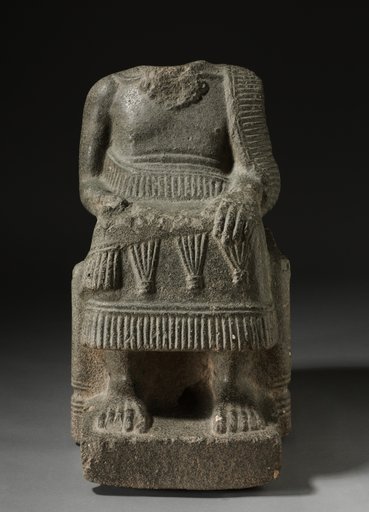
Seated Ruler
From the collection of Cleveland Museum of Art. Free to download, adapt and use — no permission needed.
About this work
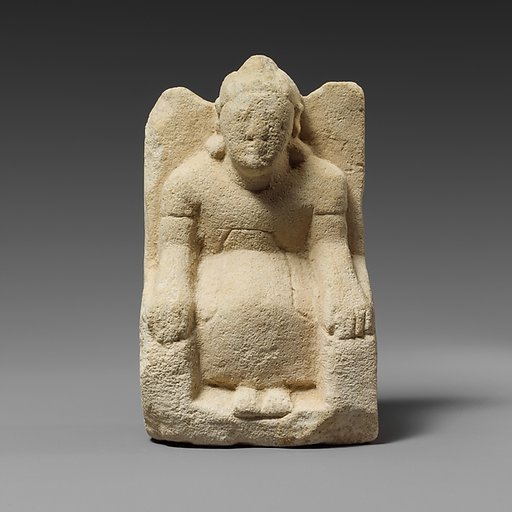
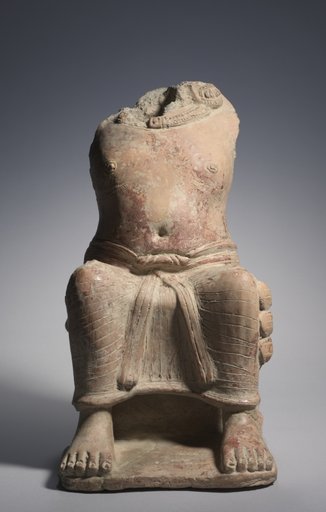
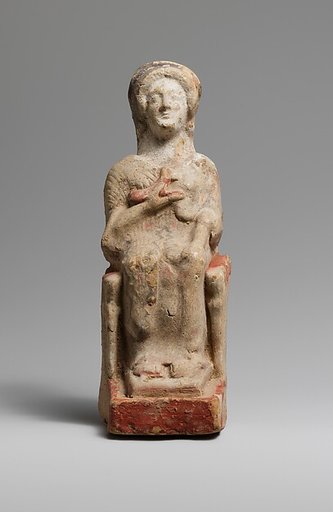
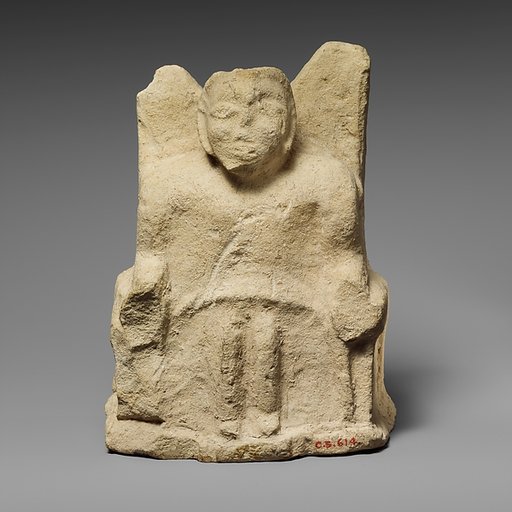
Four thousand years ago northern Syria was a crossroads of peoples and cultures, meeting through trade and military conflict. This statue of a portly man sitting on a low throne combines Assyrian and Amorite stylistic influences. It was possibly found at Ebla, where some scholars believe the biblical Abraham visited as he traveled from Chaldea to Canaan around 2000 bc. Such a large carved stone image suggests a local ruler or high official. The head was removed, probably in an act of ritual defilement, since decapitation was believed to cancel the object’s supernatural presence.
Cleveland Museum of Art’s own descriptionCredit lineSeated Ruler, 2000–1700 BCE. North Syria, possibly Ebla. Limestone with shell inclusions; overall: 66.7 x 38.2 x 54.6 cm (26 1/4 x 15 1/16 x 21 1/2 in.). The Cleveland Museum of Art, Leonard C. Hanna Jr. Fund, 1969.37