CC0 · no rights reserved
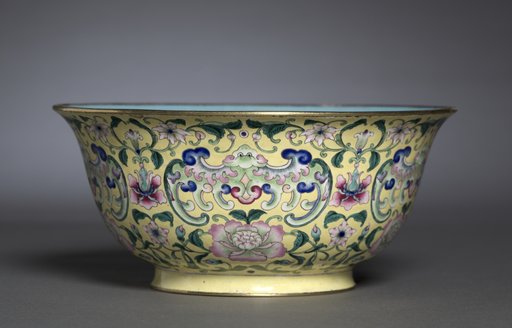
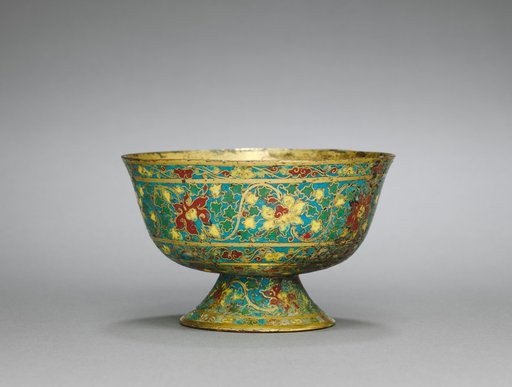
Bowl with Splayed Foot
From the collection of Cleveland Museum of Art. Free to download, adapt and use — no permission needed.
About this work
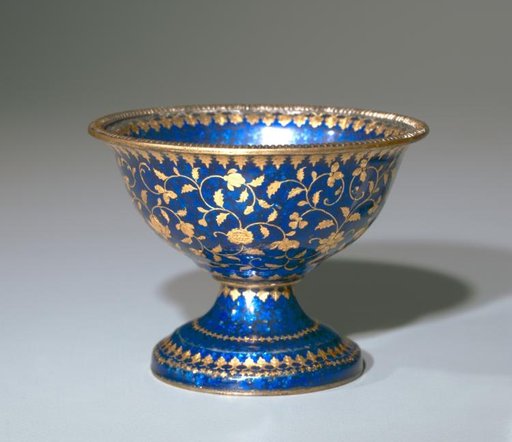
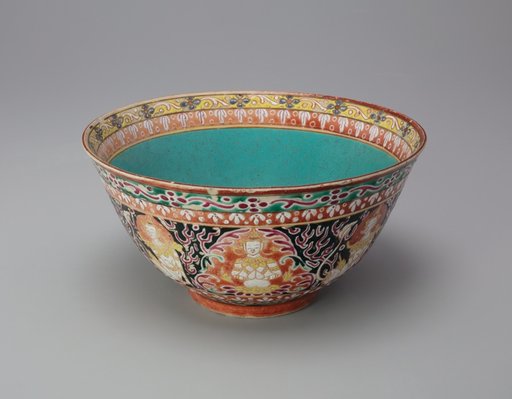
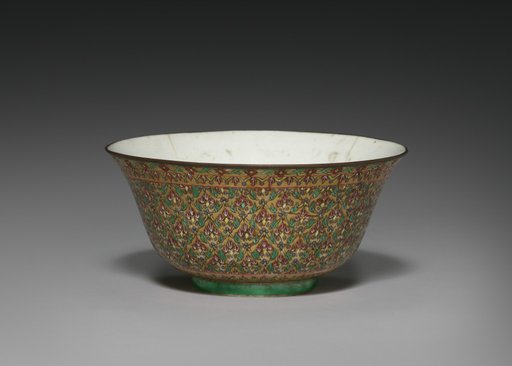
In cloisonné enameling, the decorative patterns are outlined by soldering metal wires (usually copper) to a metal base, creating a network of cells, or cloisons, to be filled with powdered enamels. After firing, the enamels are polished to create a smooth surface level with the cloisons. The exposed metal surfaces are gilt.
Cleveland Museum of Art’s own descriptionCredit lineBowl with Splayed Foot, 1700s. China, Qing dynasty (1644-1911). Cloisonné enamel; diameter: 10.5 cm (4 1/8 in.); overall: 6.6 cm (2 5/8 in.). The Cleveland Museum of Art, Bequest of Mrs. Severance A. Millikin, 1989.319