CC0 · no rights reserved
Covered Jar with Horn Handle
From the collection of Cleveland Museum of Art. Free to download, adapt and use — no permission needed.
About this work
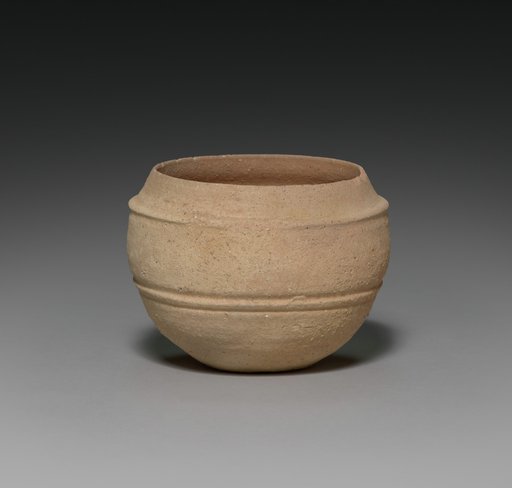
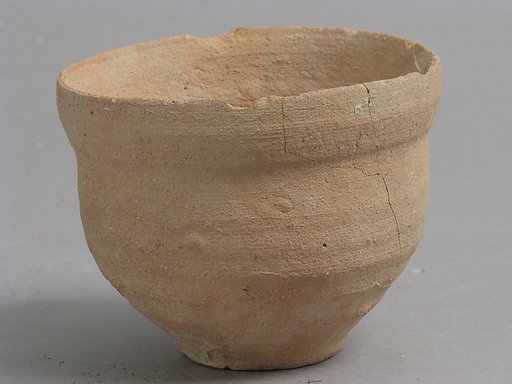
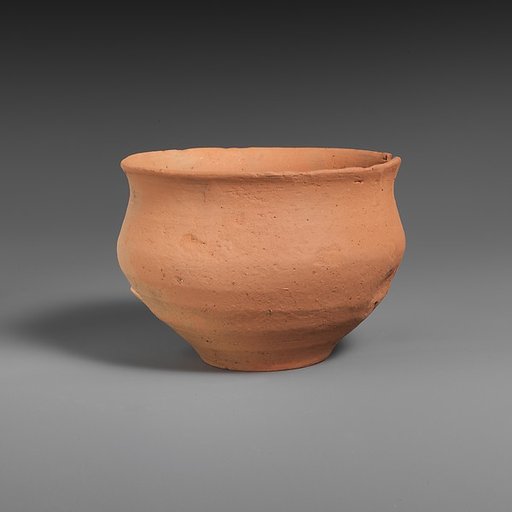
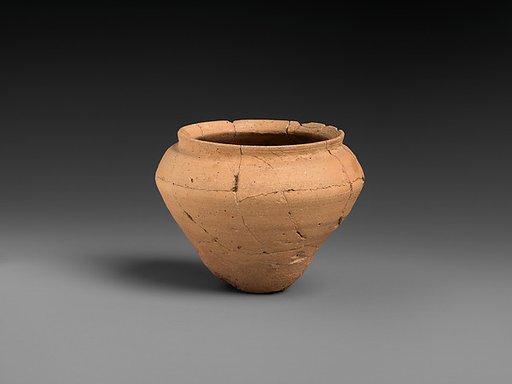
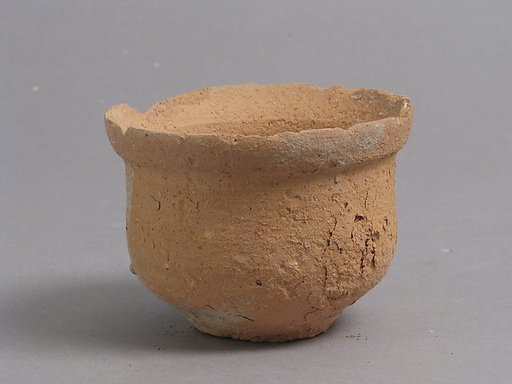
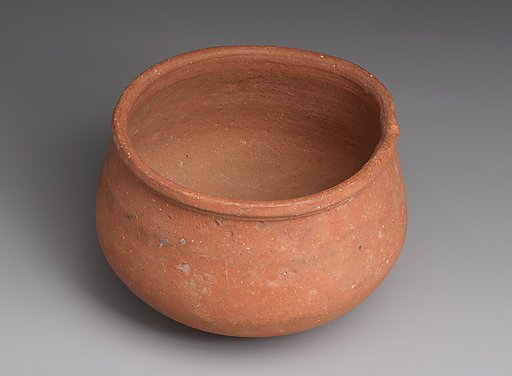
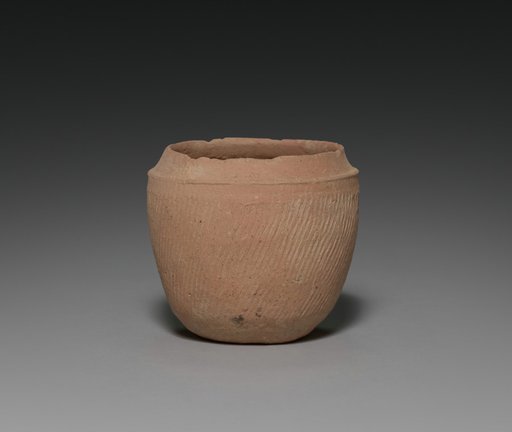
Early earthenware from the Three Kingdoms period (57 BCE–668 CE) became widely utilized as agriculture and religion grew to be essential elements in sustaining society and its systems. The clay jars of different sizes and shapes on display were made for the following purposes: some were used to store harvested grains and seeds, some, especially lidded ones such as this example, to preserve cremated remains, and some to serve offerings in rituals.
Cleveland Museum of Art’s own descriptionCredit lineCovered Jar with Horn Handle (소뿔형 뚜껑있는 합 [牛角形有蓋盒]), 400s–500s CE. Korea, Silla (57 BC-935) or Kaya (AD 42-562) period. Red earthenware with impressed designs and applied red slip; diameter of mouth: 8.8 cm (3 7/16 in.); overall: 13.5 x 12 cm (5 5/16 x 4 3/4 in.). The Cleveland Museum of Art, Gift of the John D. Proctor Foundation, 1997.21.a