CC0 · no rights reserved
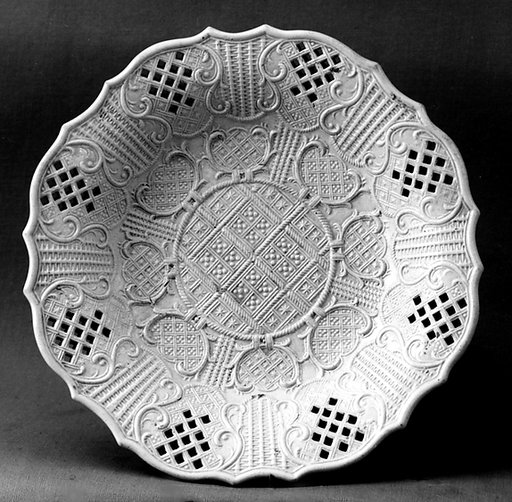
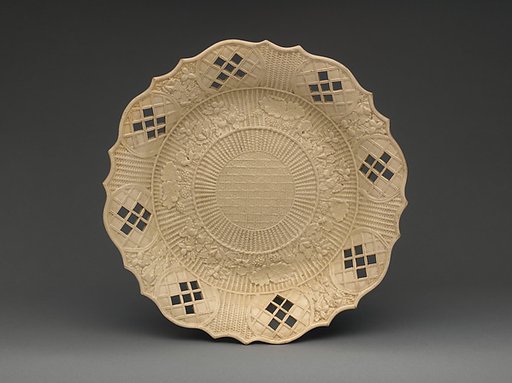
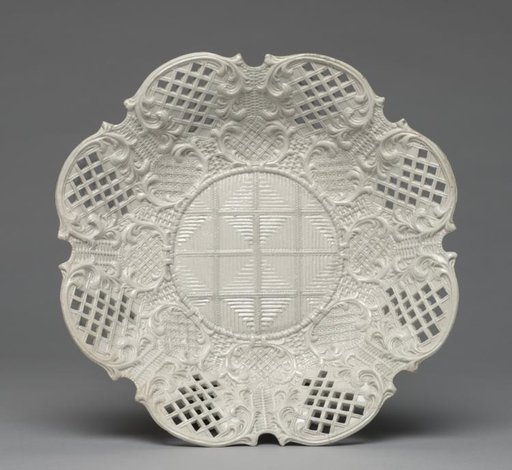
Plate
From the collection of Cleveland Museum of Art. Free to download, adapt and use — no permission needed.
About this work
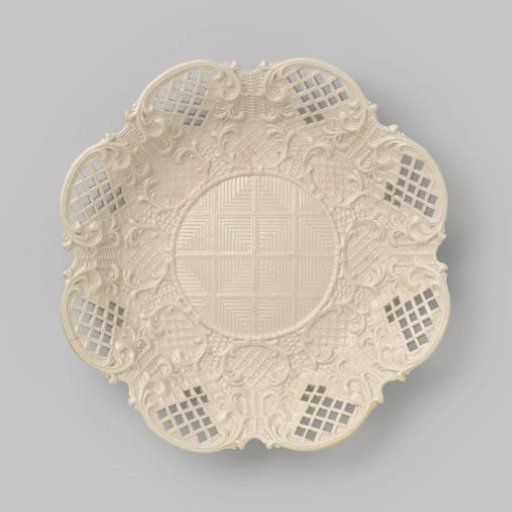
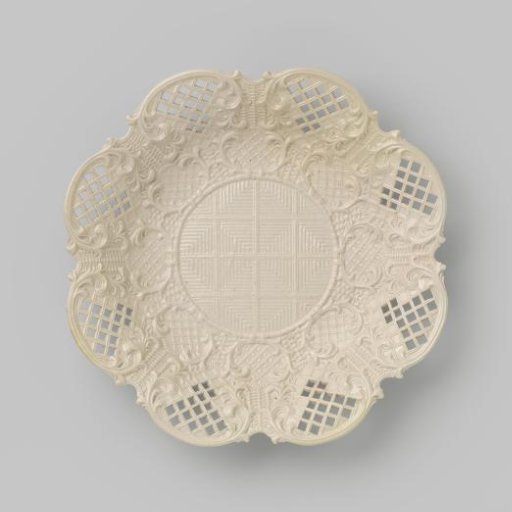
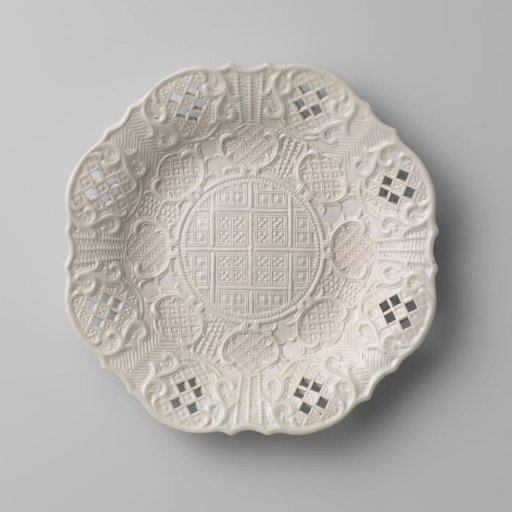
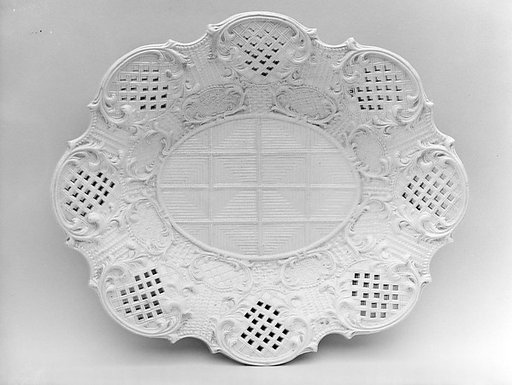
This plate’s glossy texture was created by throwing salt into a kiln during the hottest point of the firing process. During the 1700s, salt-glazed dishes proved to be a popular substitute for porcelain because of their versatility, durability, and affordability. This particular plate features intricate basket weave patterns, decorative frames, and scalloped edges which were made by hand-pressing clay into a mold.
Cleveland Museum of Art’s own descriptionCredit linePlate, c. 1760. England, Staffordshire. Salt-glazed stoneware; diameter: 30.5 cm (12 in.); overall: 4.3 cm (1 11/16 in.). The Cleveland Museum of Art, Gift of Brenda and Evan H. Turner, 1998.257