CC0 · no rights reserved
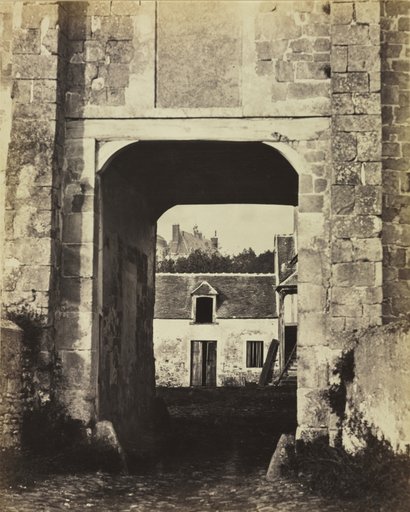
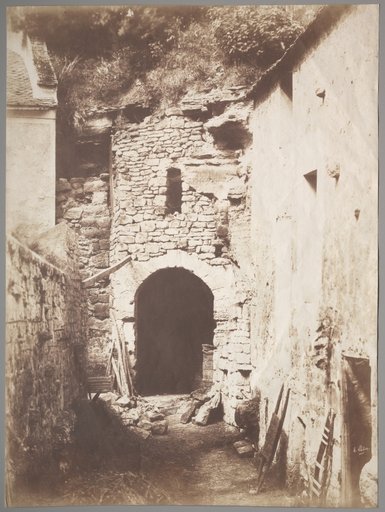
Behind the Troglodyte Farm
From the collection of Cleveland Museum of Art. Free to download, adapt and use — no permission needed.
About this work
This large-scale print, exceptional for the period, belongs to a small group of photographs by Le Secq of troglodyte, or cave, dwellings in western France near the Loire River. Around the 1400s, the term troglodyte referred to groups of political activists who lived underground in order to avoid property taxes, which only applied to above-ground dwellings.
Cleveland Museum of Art’s own descriptionCredit lineBehind the Troglodyte Farm, c. 1853. Henri Le Secq (French, 1818–1882). Salted paper print from waxed paper negative; image: 50.9 x 31.1 cm (20 1/16 x 12 1/4 in.); matted: 76.2 x 61 cm (30 x 24 in.). The Cleveland Museum of Art, Norman O. Stone and Ella A. Stone Memorial Fund, 2004.32