CC0 · no rights reserved
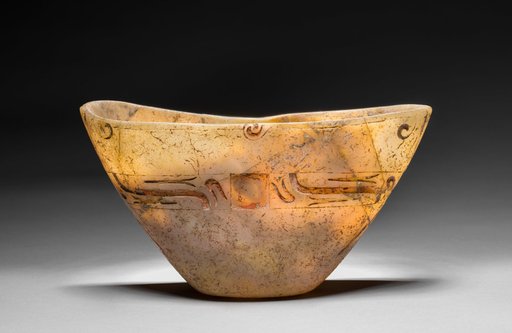
Carved Bowl
From the collection of Cleveland Museum of Art. Free to download, adapt and use — no permission needed.
About this work
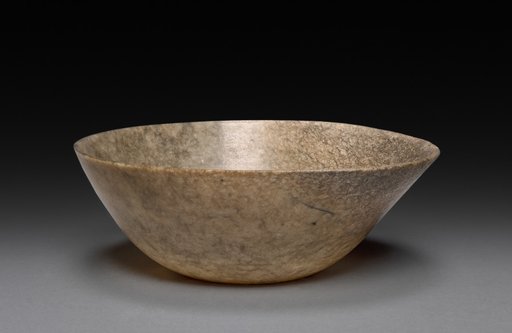
Containers made of translucent white travertine, known among the later Aztecs as tecali , are rare in Olmec artistic production. The shape of this elegant example, its rim pinched inward at the center, may refer to a squash. The meaning of the deeply carved abstract motifs, which retain traces of red pigment, is unknown. The bowl is said to have been found in a burial cache that included an Olmec figurine, a hematite mirror, and jade ornaments in Guerrero, Mexico.
Cleveland Museum of Art’s own descriptionCredit lineCarved Bowl, 1200–300 BCE. Mesoamerica, reportedly the Tepecoacuilco River Valley, Guerrero, Olmec style (1200-300 BC), Formative Period. Stone (travertine); overall: 13.3 x 23.5 x 10.2 cm (5 1/4 x 9 1/4 x 4 in.). The Cleveland Museum of Art, John L. Severance Fund, 2013.29