CC0 · no rights reserved
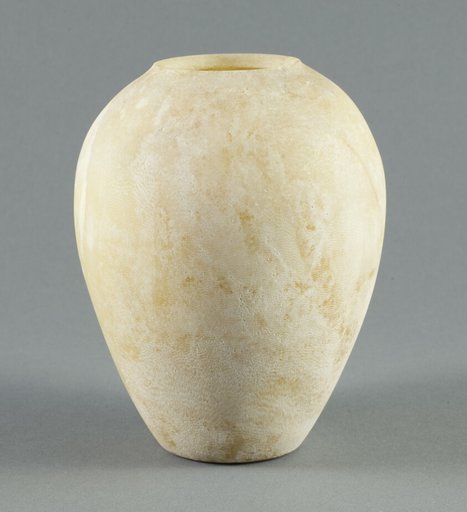
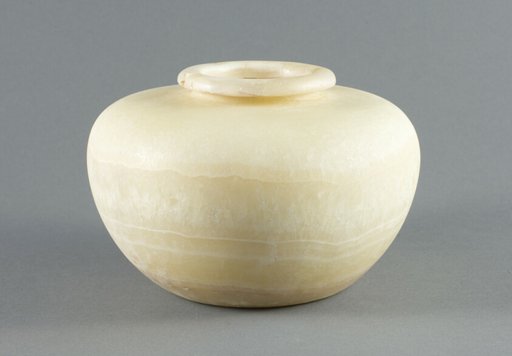
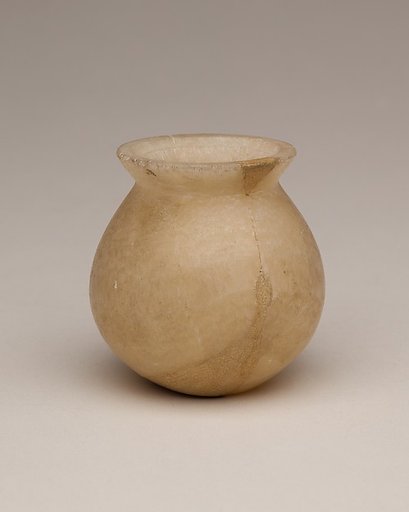
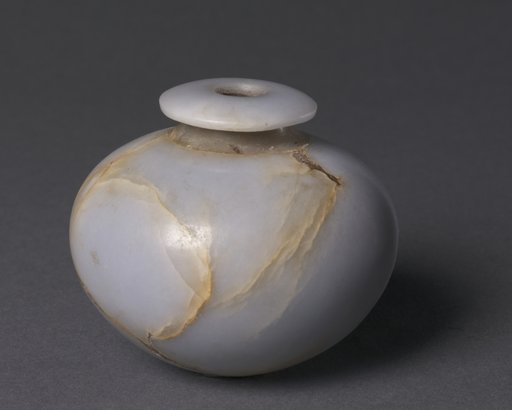
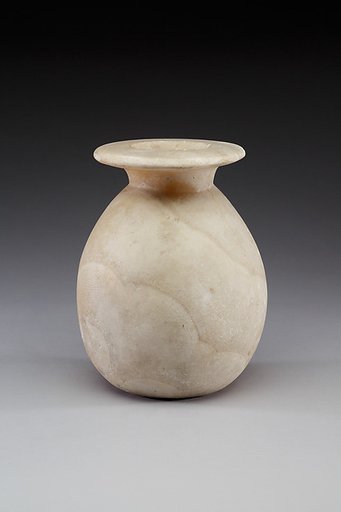
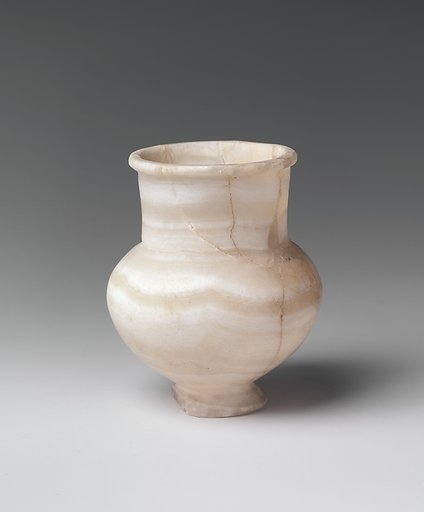
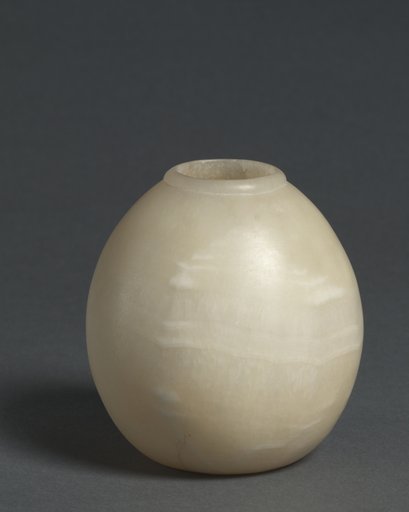
Vessel in the Form of an Ostrich Egg
From the collection of Cleveland Museum of Art. Free to download, adapt and use — no permission needed.
About this work
Both ancient Egyptian men and women loved cosmetics. Unguents, oils, and perfumes made from aromatic plant resins and gums were obtained at great cost from distant lands. The objects identified with cosmetics were given lavish treatment. Here the fanciful form is an ostrich egg.
Cleveland Museum of Art’s own descriptionCredit lineVessel in the Form of an Ostrich Egg, c. 1540–1296 BCE. Egypt, New Kingdom (1540–1069 BCE), Dynasty 18. Travertine; diameter: 8.2 cm (3 1/4 in.); diameter of mouth: 3.5 cm (1 3/8 in.); overall: 8.6 cm (3 3/8 in.). The Cleveland Museum of Art, Gift of the John Huntington Art and Polytechnic Trust, 1914.620