CC0 · no rights reserved
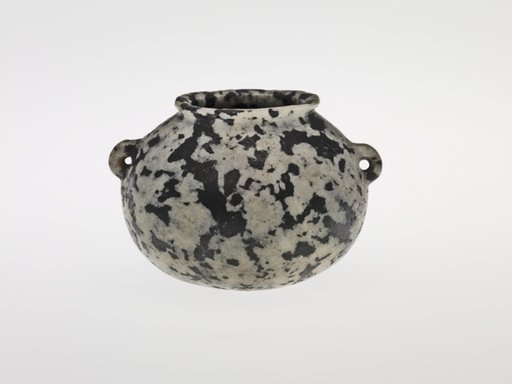
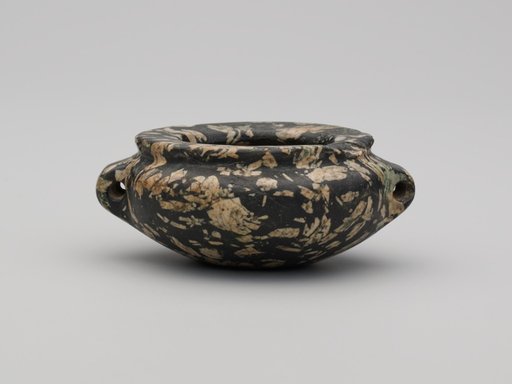
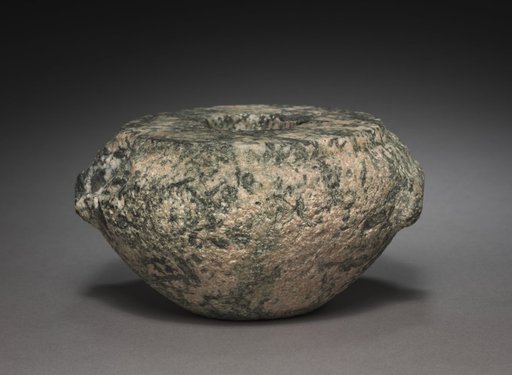
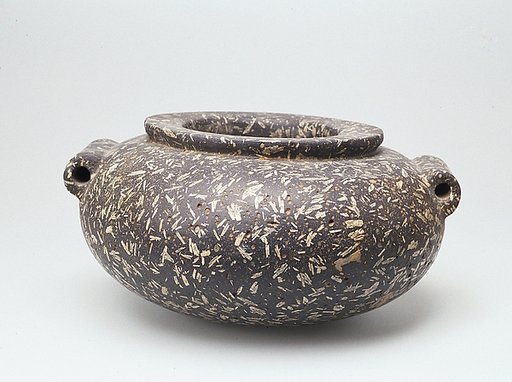
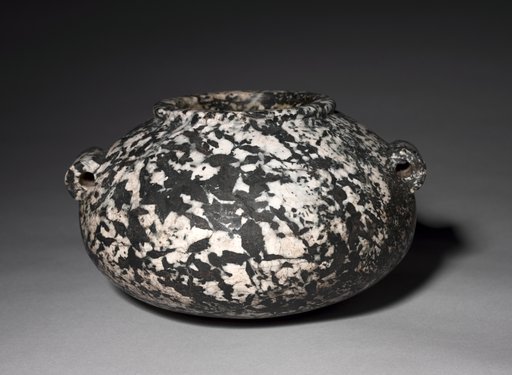
Squat Jar with Lug Handles
From the collection of Cleveland Museum of Art. Free to download, adapt and use — no permission needed.
About this work
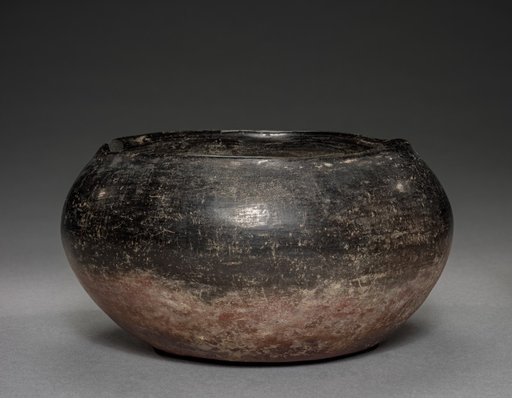
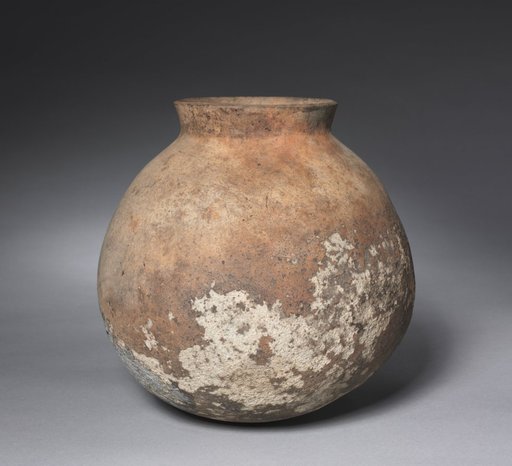
A single tomb might contain hundreds of stone vessels replicating the shapes of pottery vessels used in everyday life. The most popular material for stone vessels was white or banded travertine (Egyptian alabaster), found close to the Nile, but prospectors and quarrymen often traveled far in search of the desired materials. The hard stone hornblende diorite, notable for its mottled texture, was quarried in the desert along the route to the Red Sea.
Cleveland Museum of Art’s own descriptionCredit lineSquat Jar with Lug Handles, 2950–2573 BCE. Egypt, Early Dynastic (2950–2647 BCE), Dynasties 1–3. Pegmatitic hornblende diorite; diameter: 21.1 cm (8 5/16 in.); diameter of mouth: 8.3 cm (3 1/4 in.); overall: 13 cm (5 1/8 in.); diameter of mouth without rim: 8.3 cm (3 1/4 in.). The Cleveland Museum of Art, Gift of the John Huntington Art and Polytechnic Trust, 1914.648