CC0 · no rights reserved
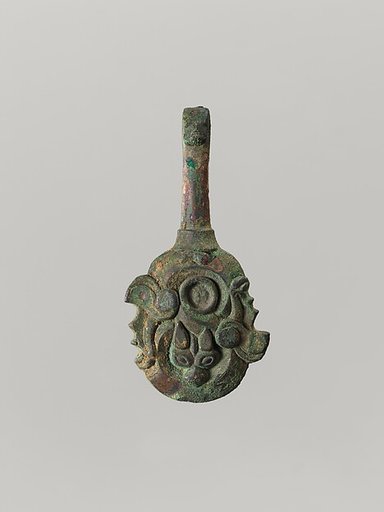
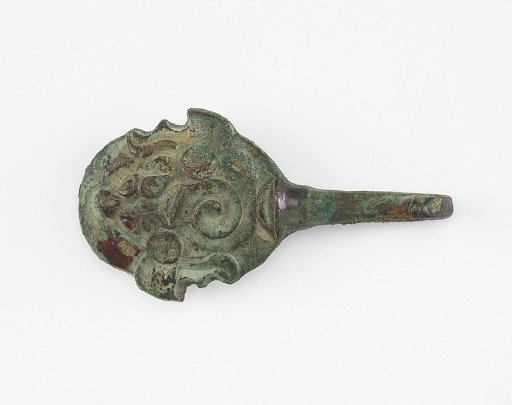
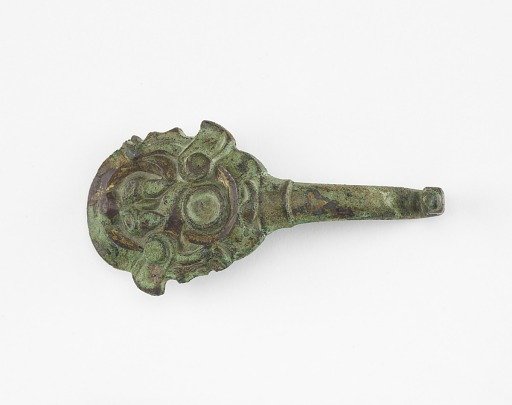
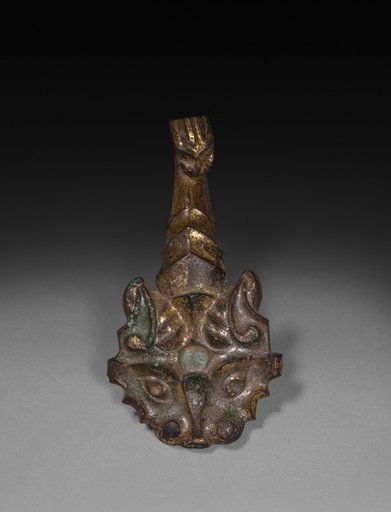
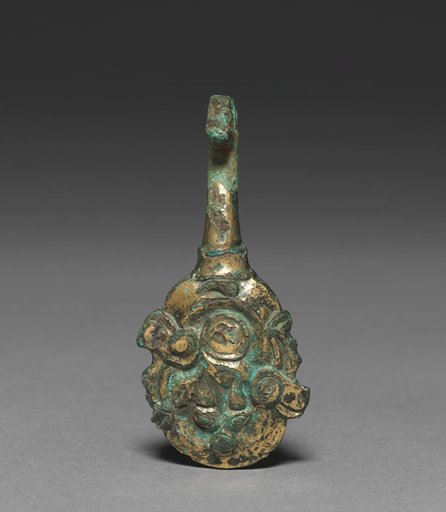
Clasp
From the collection of Cleveland Museum of Art. Free to download, adapt and use — no permission needed.
About this work
Both everyday objects and ornaments such as this belt ornament were standard for Goryeo-period (918-1392) burial goods. Furnishing tombs with an elaborate assemblage of objects was believed to honor and comfort the newly dead. Generally, Goryeo tombs were left untouched until the late 19th century. During the colonial period (1910–45), however, Japanese archaeologists aggressively excavated the tombs located in Kaeseong, the former capital of the Goryeo period. Highly possibly came from one of those excavated tomb sites, this bronze ornament evokes a memory about the colonized Korea (1910-1945).
Cleveland Museum of Art’s own descriptionCredit lineClasp (금동대구 [金銅帶鉤]), 918–1392. Korea, Goryeo dynasty (918–1392). Bronze gilt; overall: 3.9 cm (1 9/16 in.). The Cleveland Museum of Art, Gift of the John Huntington Art and Polytechnic Trust, 1917.1050