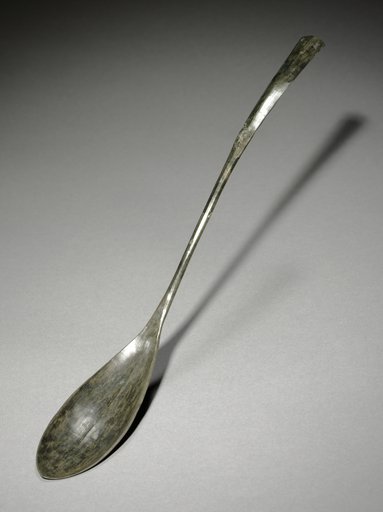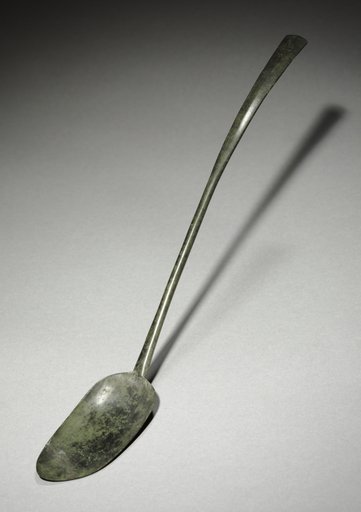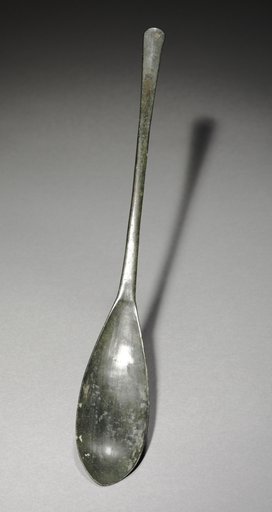
Spoon
From the collection of Cleveland Museum of Art. Free to download, adapt and use — no permission needed.
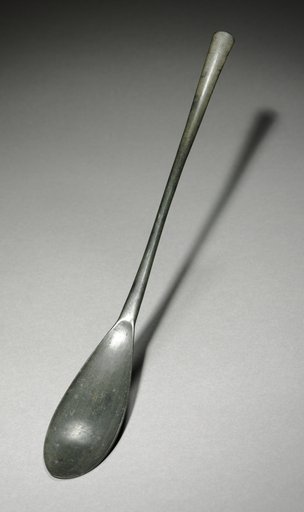
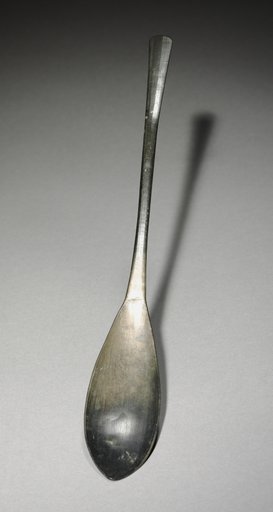
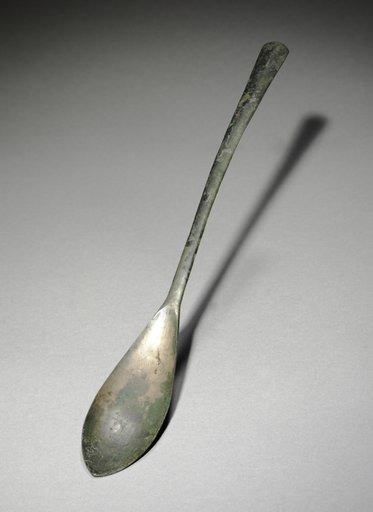
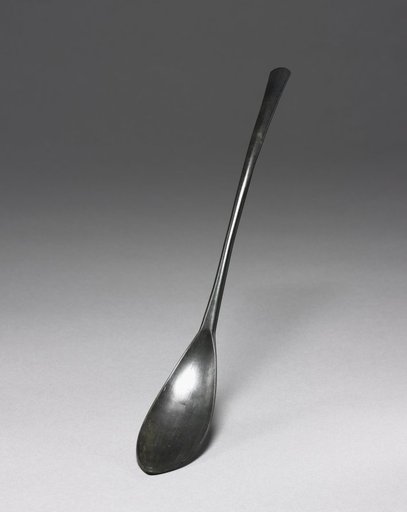
Celadons, spoons, seals, and bronze mirrors were the most common burial objects in tombs during the Goryeo Dynasty (918-1392). Furnishing tombs with an elaborate assemblage of objects was believed to honor and comfort the tomb occupant. Generally, Goryeo tombs were left untouched until the late nineteenth century. During the colonial period (1910–45), however, Japanese archaeologists hastily excavated the tombs located in Kaeseong, the former capital of the Goryeo Dynasty. Scholars recently have proposed that toward the end of the 14th century, Koreans enjoyed meat-based soups more than any other dishes, explaining why much more spoons than chopsticks were buried in tombs.
Cleveland Museum of Art’s own description