CC0 · no rights reserved
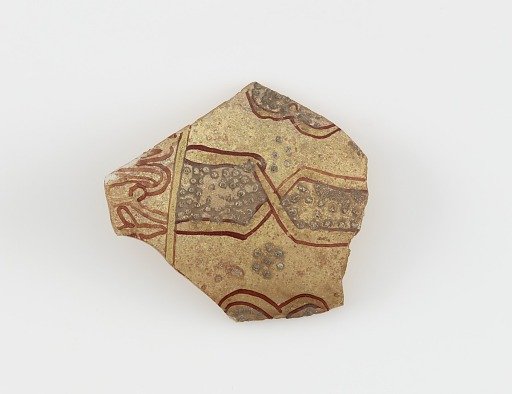
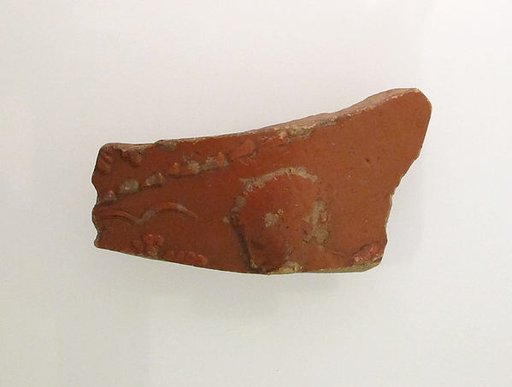
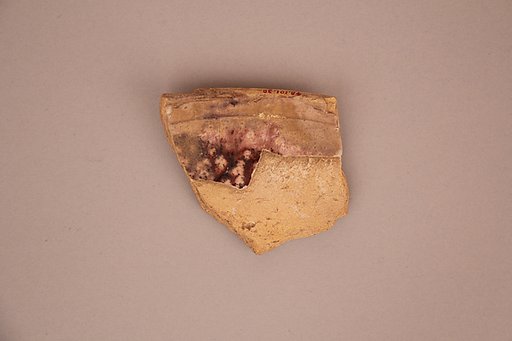
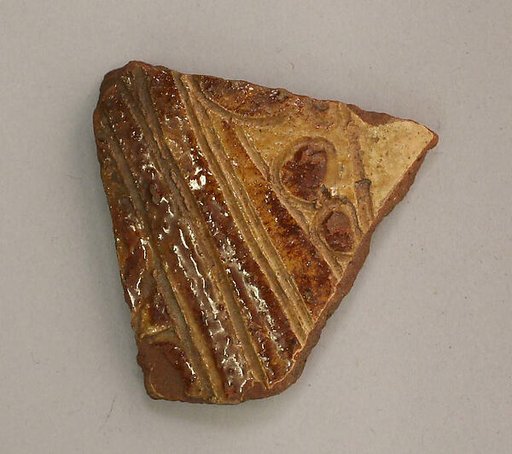
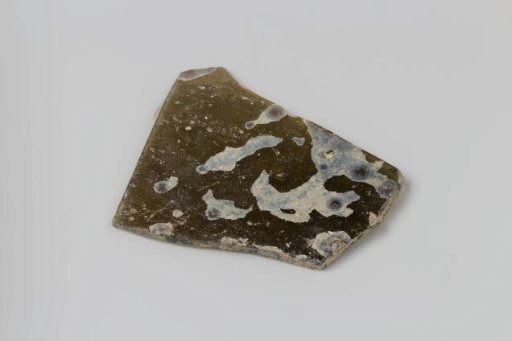
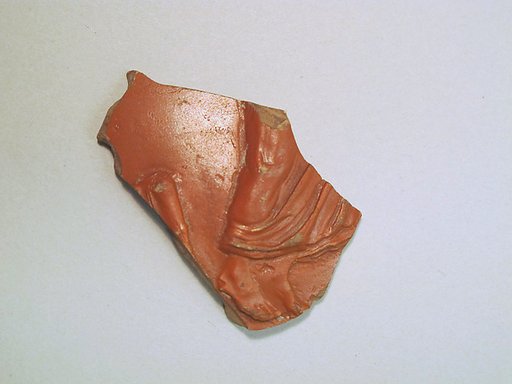
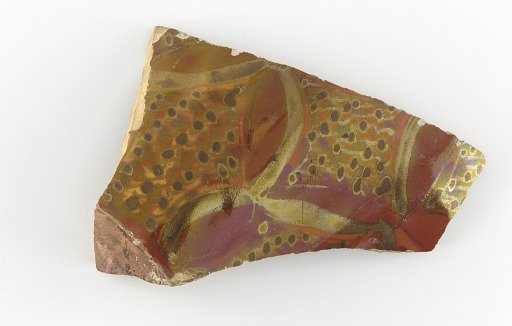
Fragment of dish
From the collection of National Museum of Asian Art (Freer/Sackler). Free to download, adapt and use — no permission needed.
About this work
Potters in Iran began to practice the luster technique in the middle of the twelfth century and reached their creative apogee in the first few decades of the thirteenth century. In the city of Kashan, located in central Iran, potters developed stonepaste, or fritware, a white composition made of ground quartz, ground glass, and a type of white clay that eliminated the need for an opaque white tin glaze. Fine rendering and elaborate designs characterize Persian lusterware.
National Museum of Asian Art (Freer/Sackler)’s own descriptionSubjects
Credit lineFragment of dish. 9th-10th century. National Museum of Asian Art (Freer/Sackler), Gift of Charles Lang Freer. CC0.