Public domain
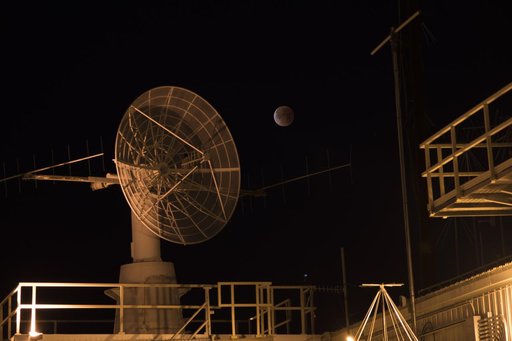
NASA Armstrong Flight Research Center’s communications facility with radar dish and antennas is shown having the eclipsed moon overhead during Jan. 31 Super Blue Blood Moon.
From the collection of NASA Image and Video Library. Free to download, adapt and use — no permission needed.
About this work
California’s NASA Armstrong Flight Research Center’s photographer Carla Thomas takes photos on January 31 of the rare opportunity to capture a supermoon, a blue moon and a lunar eclipse at the same time. A supermoon occurs when the Moon is closer to Earth in its orbit and appearing 14 percent brighter than usual. As the second full moon of the month, this moon is also commonly known as a blue moon, though it will not be blue in appearance.
NASA Image and Video Library’s own descriptionSubjects
Credit lineNASA Armstrong Flight Research Center’s communications facility with radar dish and antennas is shown having the eclipsed moon overhead during Jan. 31 Super Blue Blood Moon.. NASA/AFRC, 2018-01-31. Public domain. ID: AFRC2018-0020-04.
Similar works
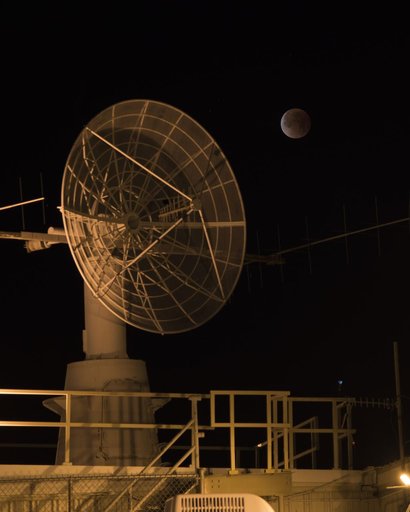 NASA Armstrong Flight Research Center's communications facility with radar dish and the eclipsed moon overhead during Jan. 31 Super Blue Blood Moon.
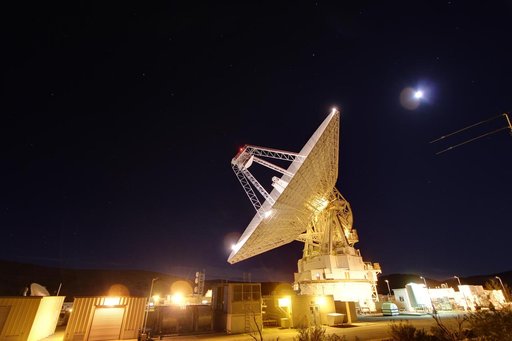 Goldstone 70-Meter
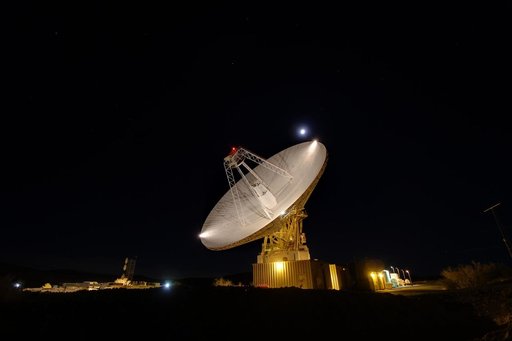 Goldstone 70-m Antenna
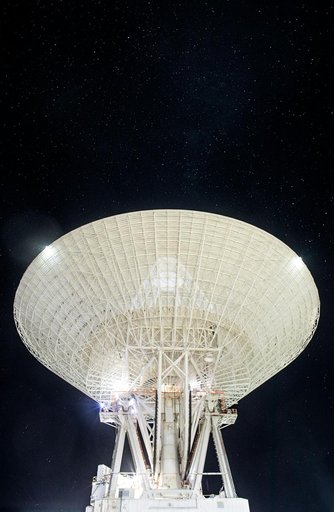 Goldstone’s 70-Meter Antenna Under the Stars
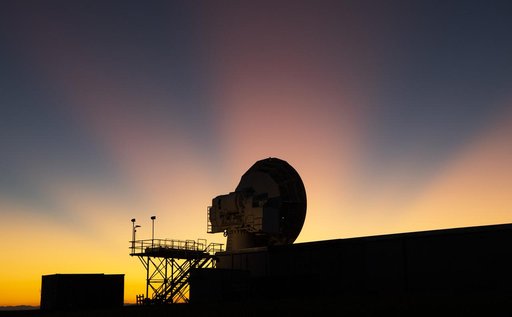 Northrop Grumman Antares CRS-12 Prelaunch
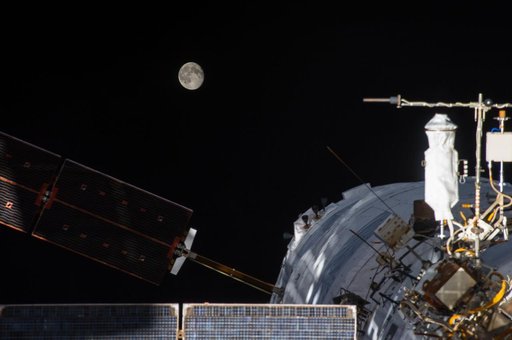 Supermoon setting behind ATV