Almanac, 1834-1855
From the collection of National Museum of American History. Free to download, adapt and use — no permission needed.
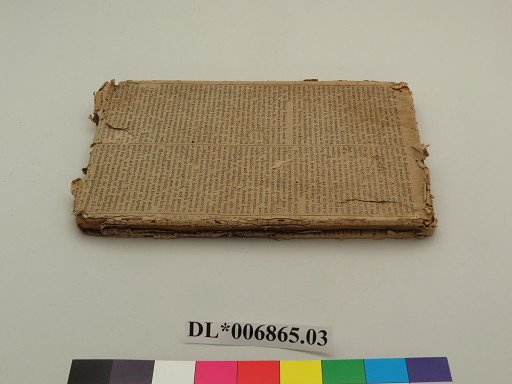
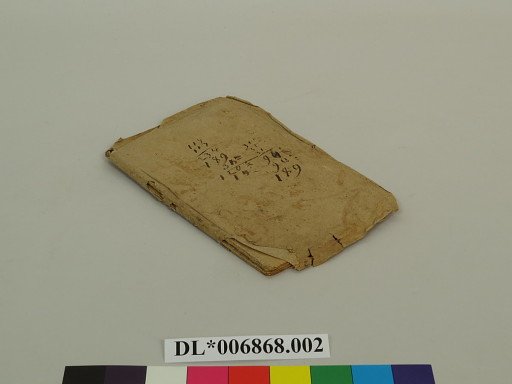
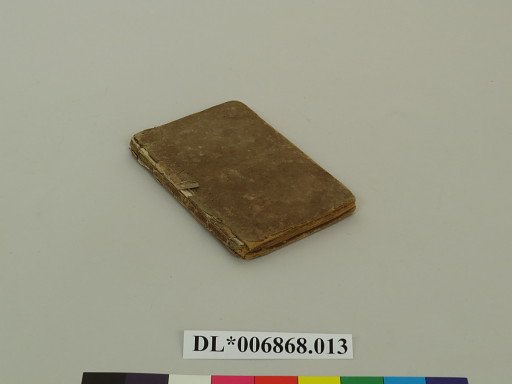
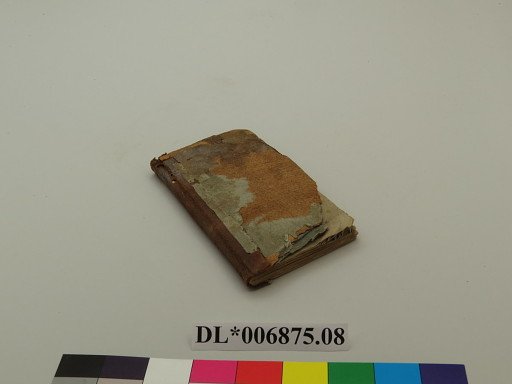
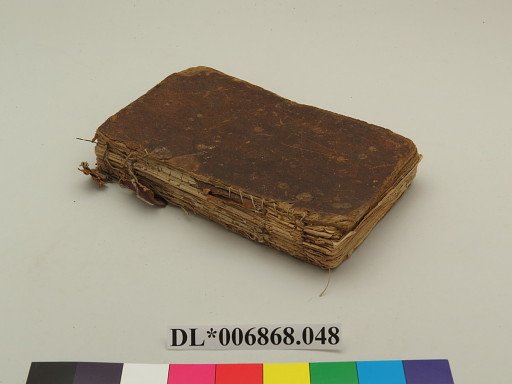
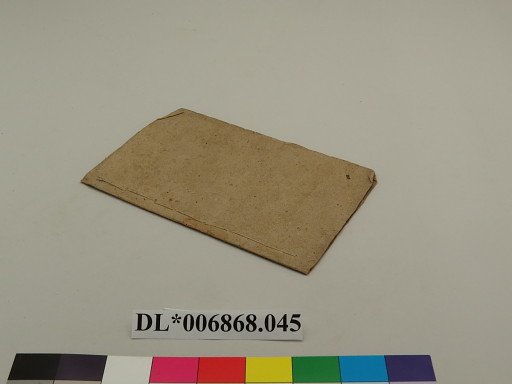
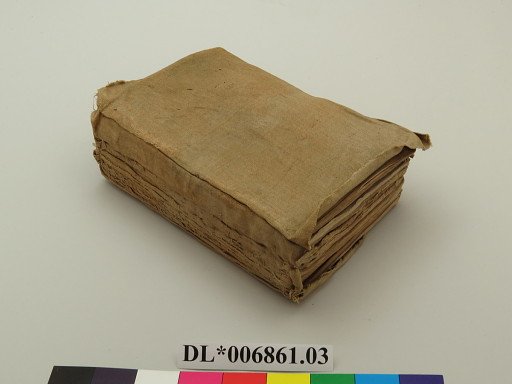
This object contains almanacs published from 1834-1855, hand-bound together in tan linen. The almanac (archaically spelled almanack) spread valuable information during a time when newspapers were scarce. Their popularity with the public and low overhead made them attractive for publishers as well. While almanacs may be known for their farmer’s calendar or weather forecasts, they also served as calendars that marked holidays and feast days, and notable historic dates. The calendar also tracked the transit of celestial bodies and included related astrological guidance. Additional materials included literary extracts, poetry, a list of roads and their mileage to major cities, medical advice, cooking recipes, patent notices, rates of interest, short histories, political discussions, schedules of courts, and practical advice. The diversity of topics made the almanac useful for every strata of society, creating an early form of mainstream culture. Almanacs were usually just bound by sewing, but the Copp’s compiled these into one bound volume, speaking to its usefulness as a resource even after the year they were published had passed.
National Museum of American History’s own description