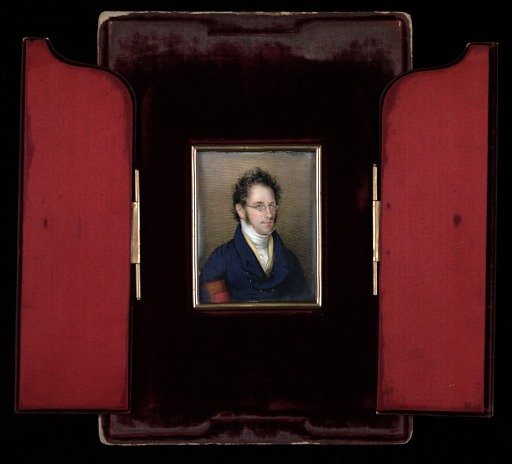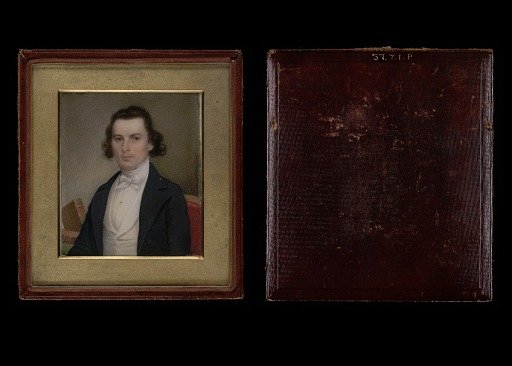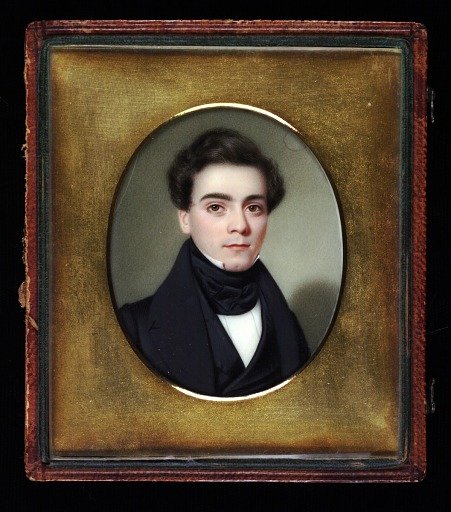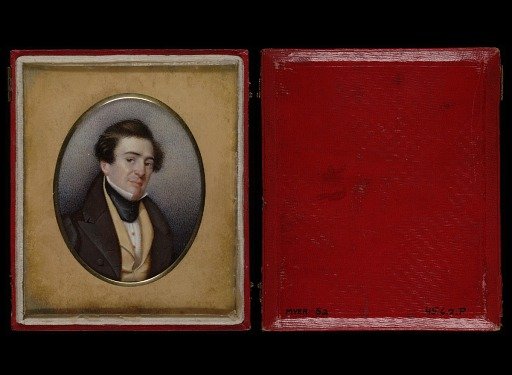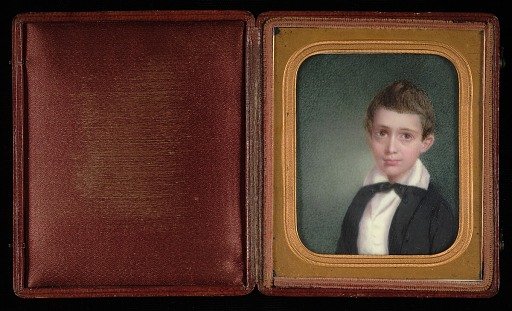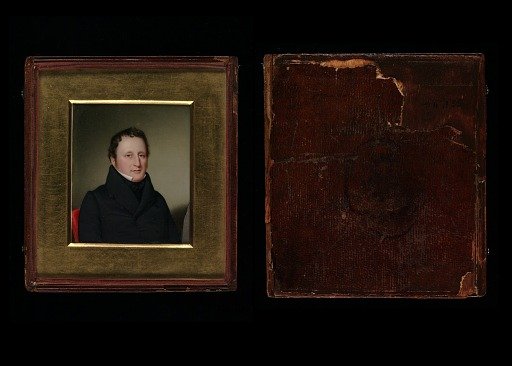
Mordecai Manuel Noah
From the collection of Smithsonian American Art Museum. Free to download, adapt and use — no permission needed.
Mordecai Manuel Noah (1785-1851) was possibly the most influential Jewish figure in the United States during the early nineteenth century. He was a lawyer, journalist, playwright, politician, judge, editor, and surveyor. As a patriot, he supported America’s war with Britain in 1812, and became the United States consul to Tunis. He studied law in South Carolina, and passed the New York bar in 1823. He was also an ardent Zionist and in 1825 purchased Grand Island in the Niagara River to create Ararat, a “Jewish Homeland.” Noah later pursued a career in journalism that included editing the National Advocate, founded by the Tammany faction of the Democratic Party. After he renounced their corrupt practices, he founded the New York Enquirer, and later the New York Evening Star. Noah developed a serious interest in the theater and wrote numerous plays, and was a founder of New York University.
Smithsonian American Art Museum’s own description