CC0 · no rights reserved
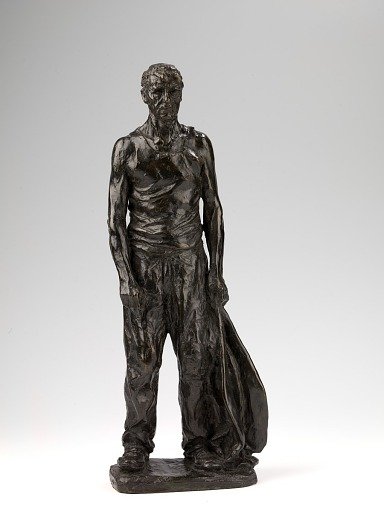
The End of Day
From the collection of Smithsonian American Art Museum. Free to download, adapt and use — no permission needed.
About this work
Max Kalish chose laborers, particularly steelworkers and riveters, as his subject because of their important role in industrialized America. Factories employed so many people that to Kalish these workers represented the common man. He appreciated the rhythm and grace that workers showed in their daily tasks, and captured both the physical effort and the well-deserved rest of his laborers, as shown here in The End of the Day. His images of the “heroic worker” were aimed at restoring faith and optimism to a dispirited population suffering the ravages of the Depression.
Smithsonian American Art Museum’s own descriptionSubjects
Credit lineThe End of Day. 1930. Max Kalish, born Valozin, Lithuania 1891-died New York City 1945. Smithsonian American Art Museum, Smithsonian American Art Museum, Gift of Max Kalish. CC0.