CC0 · no rights reserved
Tea bowl
From the collection of Cleveland Museum of Art. Free to download, adapt and use — no permission needed.
About this work
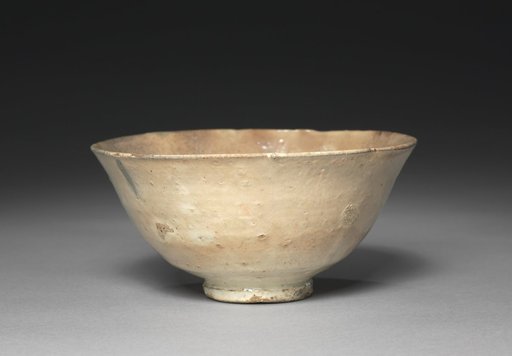
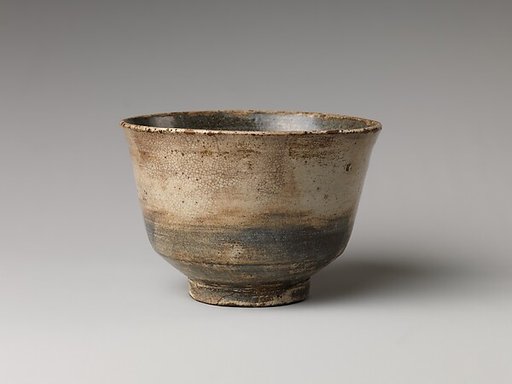
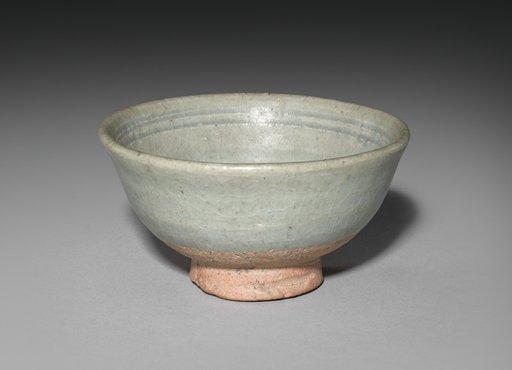
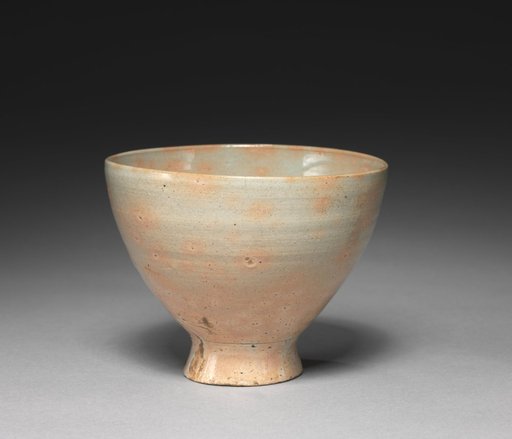
Possibly produced in one of the kilns established by the trading office (Waegwan) in Busan, southern Gyeongsang province, this type of bowl with an elongated foot was exported to Japan and circulated as an item of foreign luxury among Japanese tea ware collectors. Pinholes in the light pinkish glaze were intended to resemble "fawn spots."
Cleveland Museum of Art’s own descriptionCredit lineTea bowl (사기다완 [沙器茶碗]), 1700s. Korea, Joseon dynasty (1392–1910). Glazed stoneware; diameter of mouth: 13.7 cm (5 3/8 in.); overall: 11 cm (4 5/16 in.). The Cleveland Museum of Art, Edward L. Whittemore Fund, 1986.84