CC0 · no rights reserved
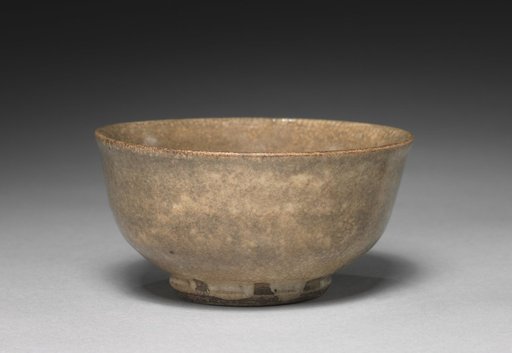
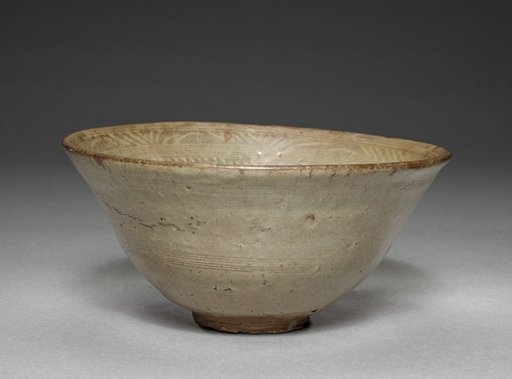
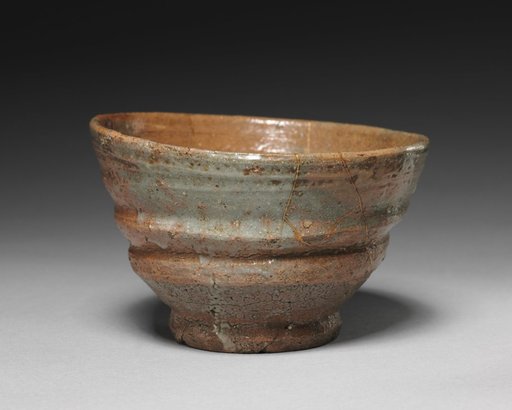
Tea Bowl
From the collection of Cleveland Museum of Art. Free to download, adapt and use — no permission needed.
About this work
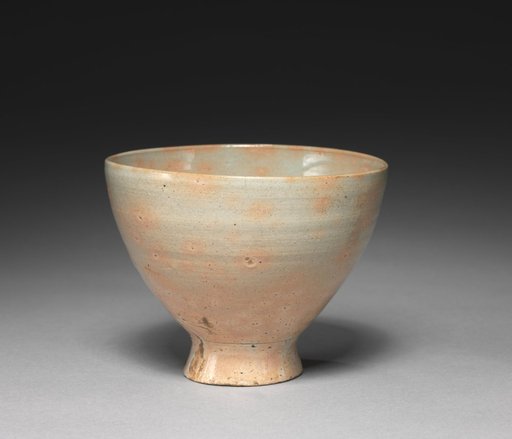
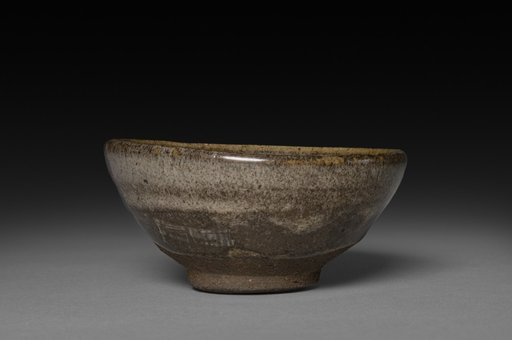
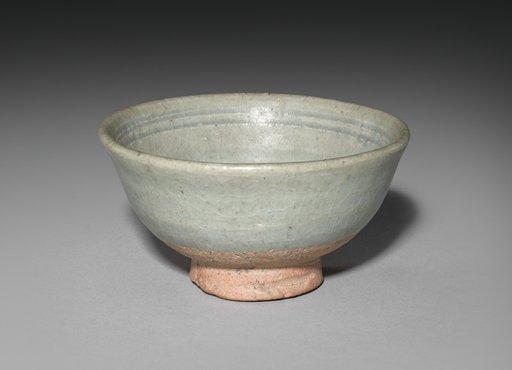
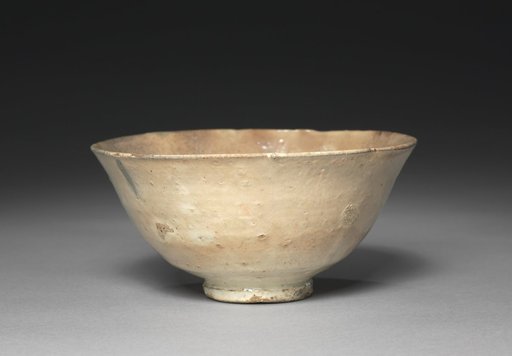
This type of wide-mouthed bowl was used every day in Korea, not exclusively for tea drinking. But when it was introduced to Japan around the early 16th century, its imperfect appearance, which evokes the aesthetics of wabi-sabi, caused it to be repurposed as a tea bowl. Korean tea bowls were circulated as a item of foreign luxury among Japanese military elites. This type of tea bowl may have been produced in one of the kilns established and operated by the trading office (Waegwan) in Busan, southern Gyeongsang province, as an export item for Japanese tea bowl collectors.
Cleveland Museum of Art’s own descriptionCredit lineTea Bowl (분청사기 완 (粉靑沙器碗)), 1600s. Korea, Joseon dynasty (1392–1910). Glazed stoneware; diameter of mouth: 14.6 cm (5 3/4 in.); overall: 8.9 cm (3 1/2 in.). The Cleveland Museum of Art, Cornelia Blakemore Warner Fund, 1996.4