Double-Sided Votive Relief
From the collection of Cleveland Museum of Art. Free to download, adapt and use — no permission needed.
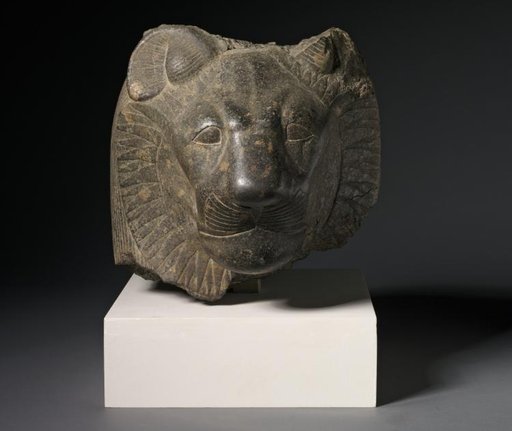
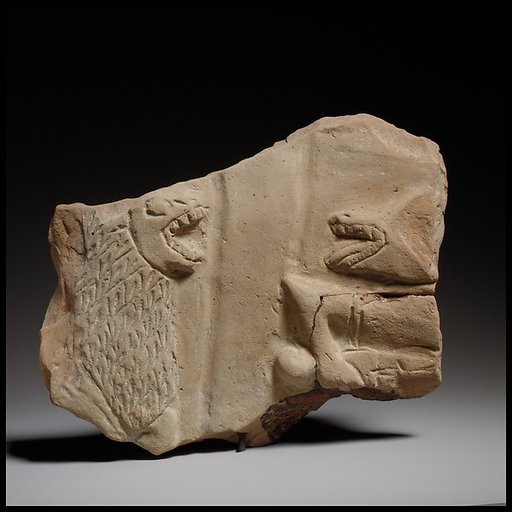
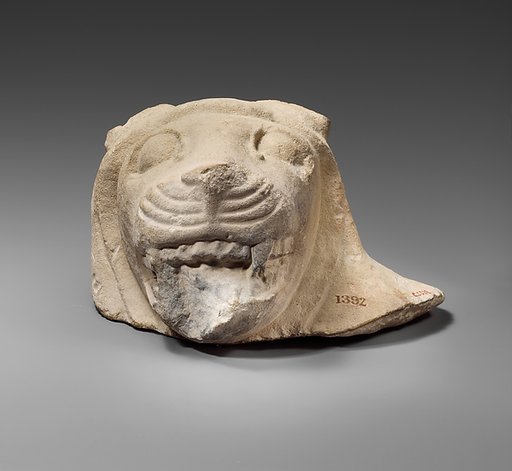
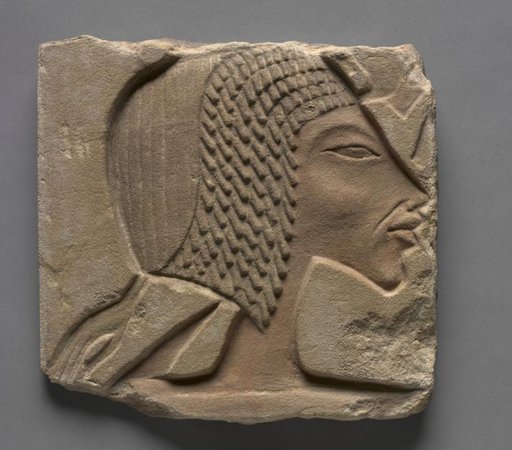
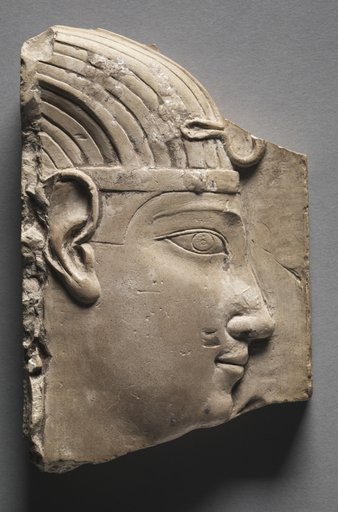
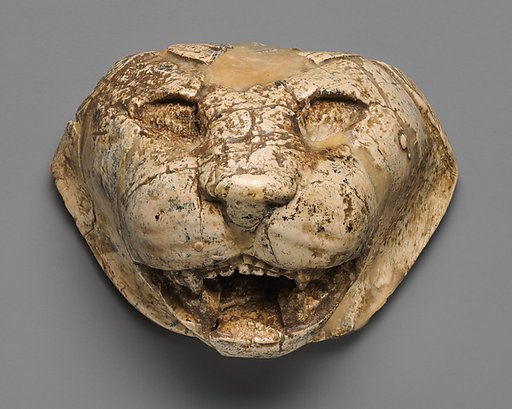
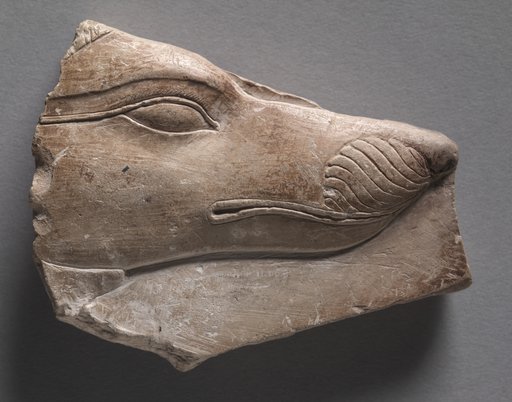
Trial pieces—carved on limestone flakes, or ostraca —and sculptors' models allow us to see how the ancient Egyptian artist approached his work. The four heads—a king, a shaven-headed priest, and two foreigners—on this large trial piece were doubtless practice sketches but nonetheless show the learner's keen eye for detail and for distinguishing different facial types. Others, such as the wild dog's head and the profile of a king in relief, are masterpieces in their own right, and were probably meant to be copied. The sculpture of a lion was left unfinished, which makes it even more intriguing; even in its roughed-out-state it is a majestic figure. The back of this piece is carved in the figure of a goddess.
Cleveland Museum of Art’s own description