CC0 · no rights reserved
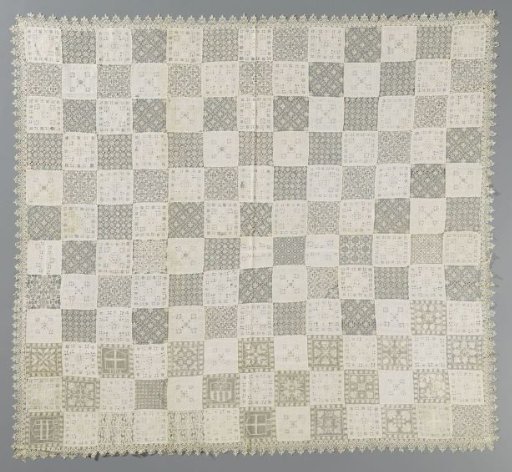
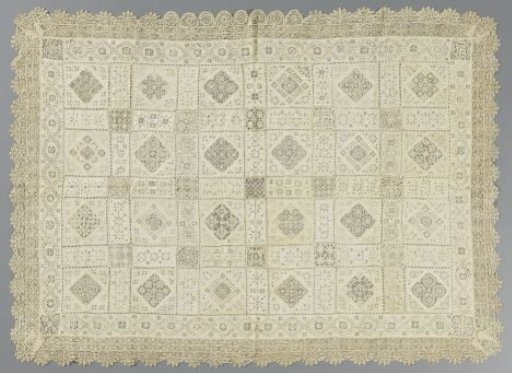
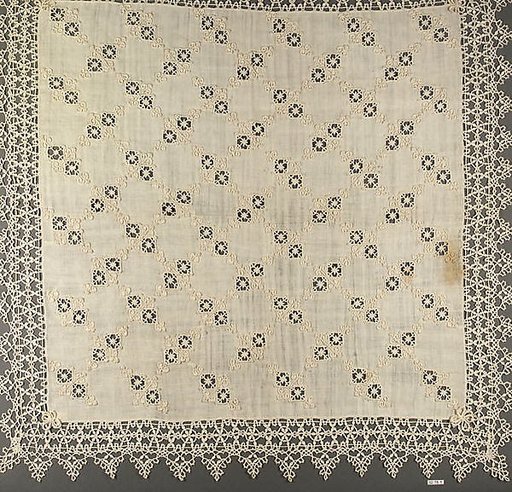
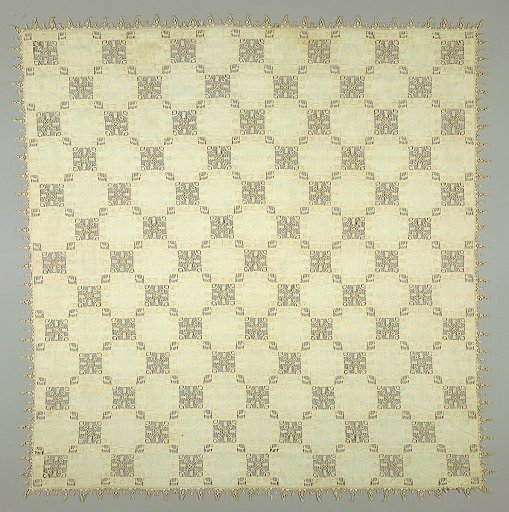
Cloth with Floral and Vegetal Patterns
From the collection of Cleveland Museum of Art. Free to download, adapt and use — no permission needed.
About this work
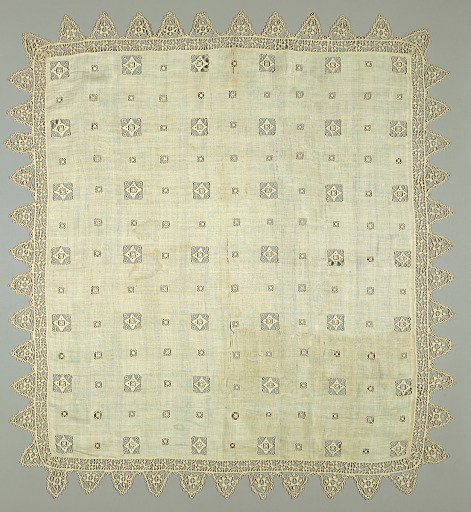
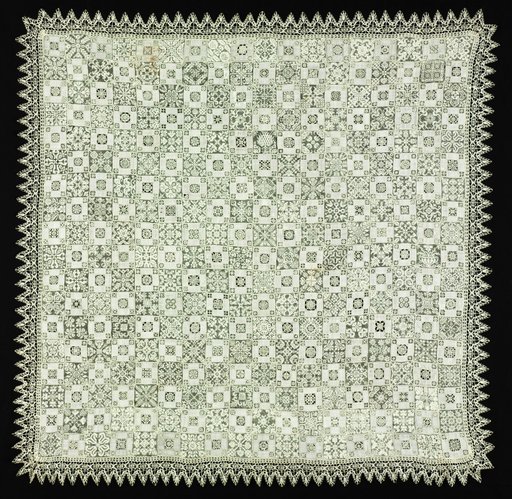
Textiles often incorporate multiple needlework techniques within a single piece. One of the main techniques in this example of lace is called cutwork. In cutwork, portions of the textile ground, such as a linen or cotton cloth, are cut away and threads are removed to create holes. The edges of the hole are then reinforced with embroidery and a pattern of needle lace can be created within the perimeter. Rather than adding to the cloth to create a design, the craftsperson removes threads to fabricate a pattern.
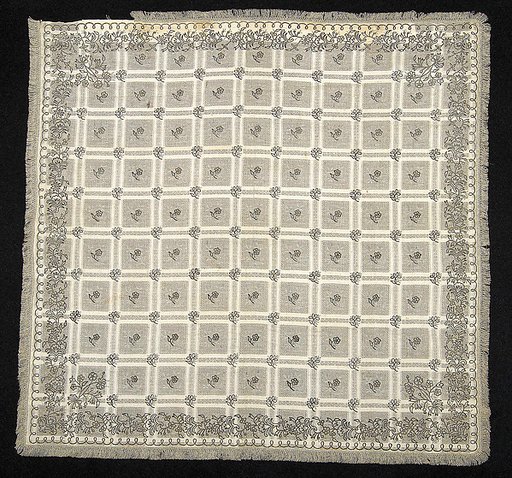
Cleveland Museum of Art’s own descriptionCredit lineCloth with Floral and Vegetal Patterns, 1560–1600. Italy, late 1500s. Bleached linen (est.): needle lace, filet/lacis (knotted ground and darned in two directions), alternating reticella squares (open cutwork), and bobbin lace edging; mounted: 148 x 151.1 cm (58 1/4 x 59 1/2 in.); overall: 145.1 x 144.2 cm (57 1/8 x 56 3/4 in.). The Cleveland Museum of Art, Gift of Mrs. Edward B. Greene, G. G. Wade and J. H. Wade Jr. for the Ellen Garretson Wade Memorial Collection, 1923.995